
NOTE
1.6 Digital Signature
Digital signatures, certificates, and CA trust chains.
This is a historical learning note and may contain outdated or incomplete understanding.
1. Digital Signature
1.1. What Is a Digital Signature
1.2. Digital Signature Properties
Integrity + authentication + non-repudiation.
1.3. Digital Signature Process
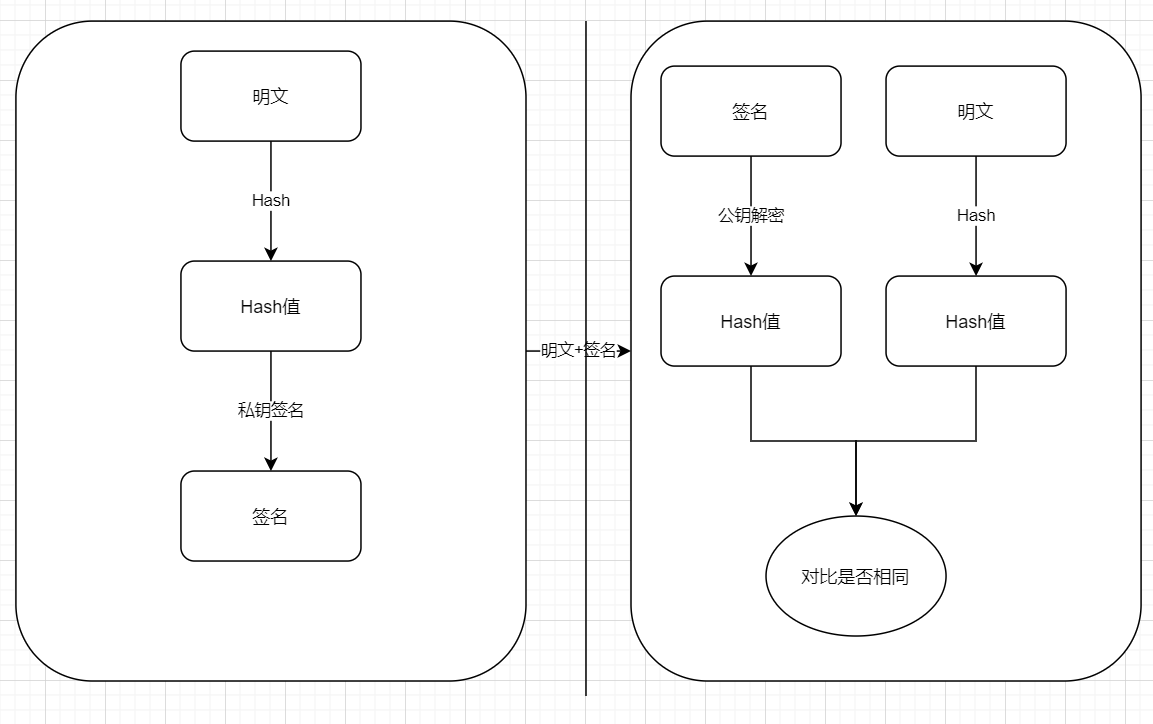
2. Digital Certificate
2.1. What Is a Digital Certificate
- A certificate issued by a CA to a server.
- A CA is like a public-security authority, and a certificate is like an identity card.
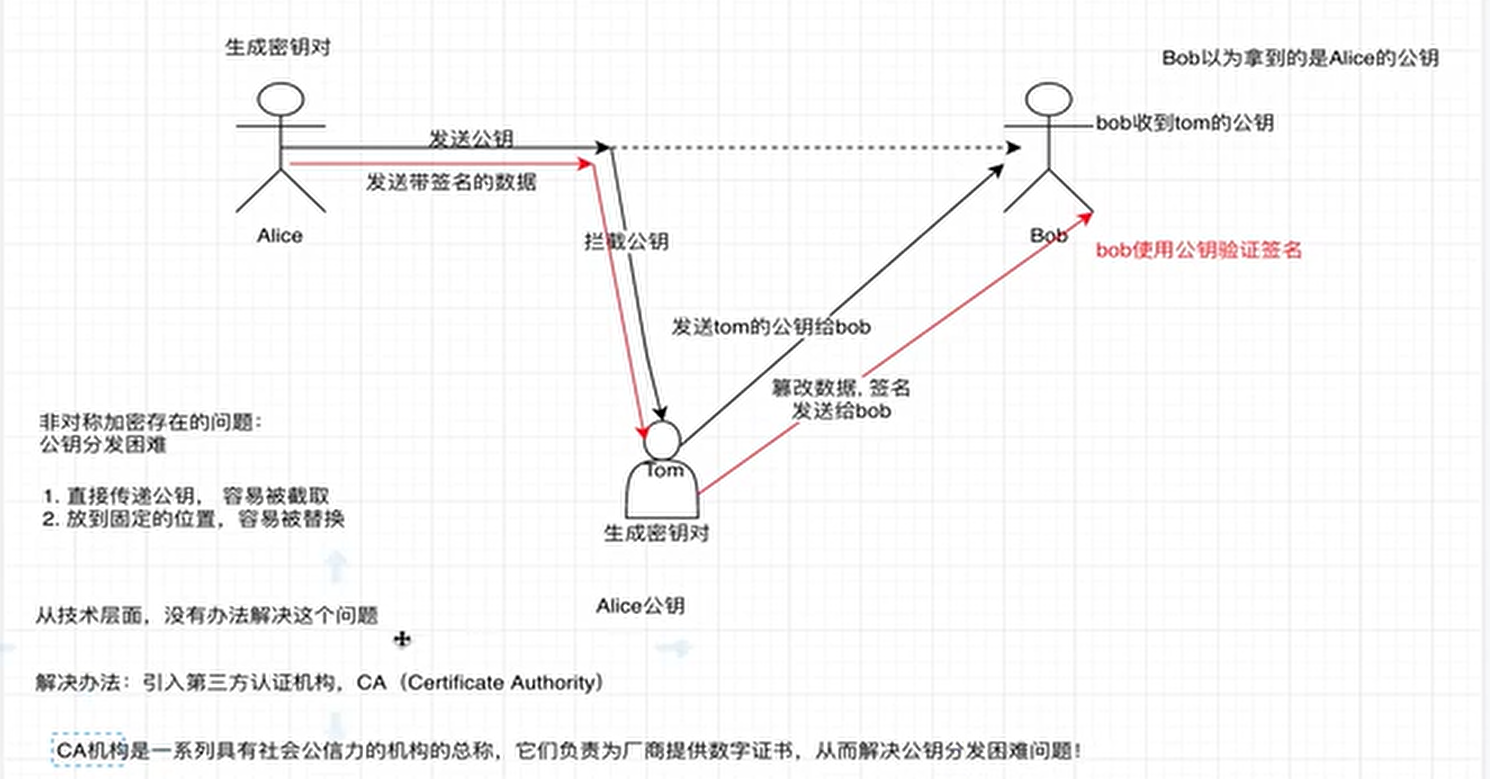
2.2. Why Digital Certificates Are Needed
- Solve the problem of public-key transmission in asymmetric encryption and prevent man-in-the-middle attacks.
2.3. How Digital Certificates Work
- The server sends its public key to the CA.
- The CA uses its own private key to generate a certificate for the server’s public key.
- The CA issues the certificate to the server.
- The client requests the server.
- The server returns the certificate.
- The client verifies with the CA whether the certificate is valid.
3. CA Trust Chain
3.1. What Is a CA Trust Chain
- CA0 issues a certificate to CA1, CA1 issues a certificate to CA2, CA2 issues a certificate to CA3, and so on, forming a trust chain.
- CA0 is the root certificate and is preinstalled in the operating system.
3.2. Why a CA Trust Chain Is Needed
- To prevent the CA from being forged.
Discussion
Sign in with GitHub to comment. Discussions are stored as GitHub Issues.View on GitHub