
NOTE
Active Fund Managers
English translation of the original VNote “Active Fund Managers”, preserving its structure with only necessary small corrections.
This is a historical learning note and may contain outdated or incomplete understanding.
1. Active Fund Manager Recommendations
- If a fund manager manages multiple funds, their holdings are generally similar and cannot be too dispersed, because a fund manager’s attention is limited.
- A fund’s size should not become too large, otherwise it is difficult to operate. For large-cap funds, RMB 8 billion is relatively high; for small-cap funds, RMB 4 billion is relatively high.
- Choose fund managers who invest across mixed industries. As long as the portfolio is not restricted to one industry, the manager can use allocation changes to control drawdowns.
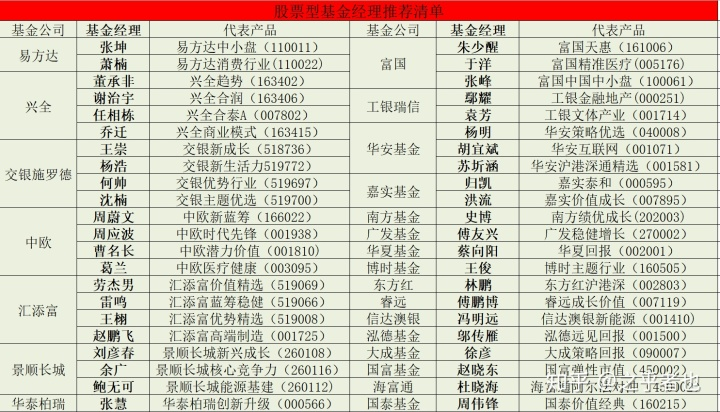
2. E Fund
- Zhang Kun
- Graduated from Tsinghua University in biomedical engineering.
- Funds
- Characteristics
- Bottom-up.
- Low turnover.
- How does he judge whether a company deserves to enter the candidate pool? There are roughly three criteria:
-
- Over the past 5-10 years, average ROIC is no lower than 10% and has not fluctuated sharply.
-
- Exclude companies with excessively high leverage. He does not favor asset-heavy businesses with large amounts of debt, and prefers companies that grow organically by accumulating cash flow through their own operations.
-
- Sufficiently strong industry position, with a deep moat and barriers to entry.
-
- How does he judge whether a company deserves to enter the candidate pool? There are roughly three criteria:
- High individual-stock concentration, with the top ten holdings around 70%.
- Emphasizes a margin of safety and drawdown control.
- Circle of competence
- Missing opportunities outside one’s competence.
- Failing to do well within one’s area of competence.
- Entering an unfamiliar area and making mistakes.
- Xiao Nan
- Master’s degree in economics.
- Funds
- Characteristics
- Focuses on the broad consumer sector and has deep understanding of food and beverages.
- High concentration by both industry and individual stock.
- Bottom-up.
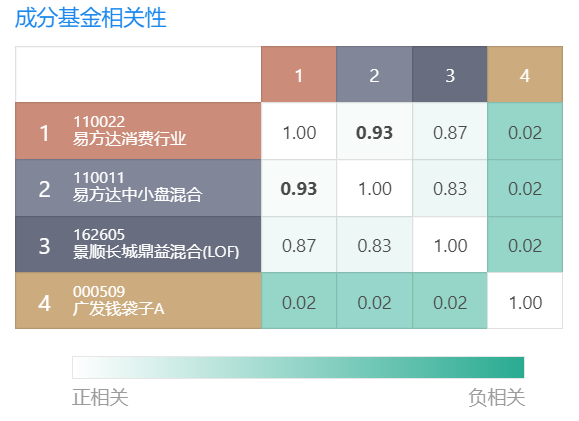
- Compared with Zhang Kun
- Higher allocation to baijiu.
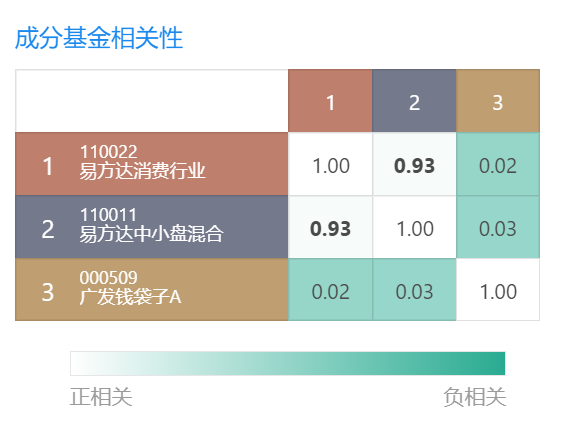
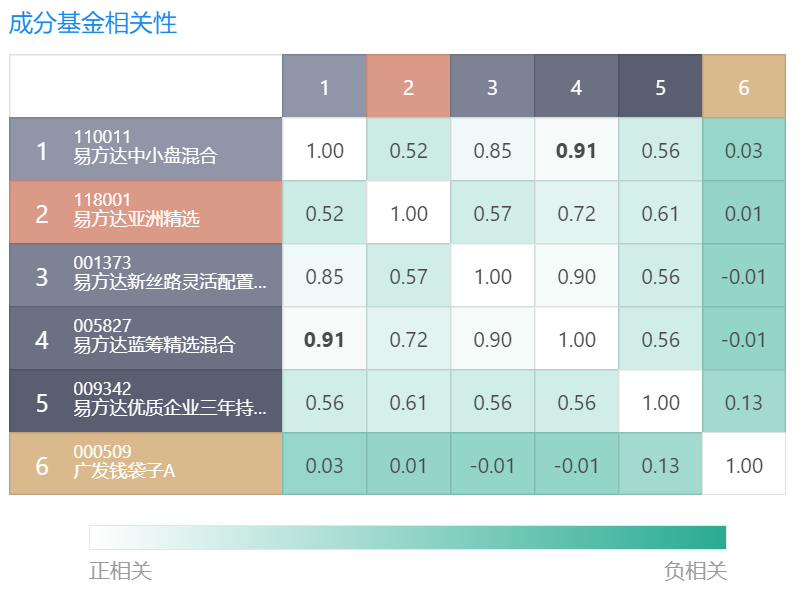
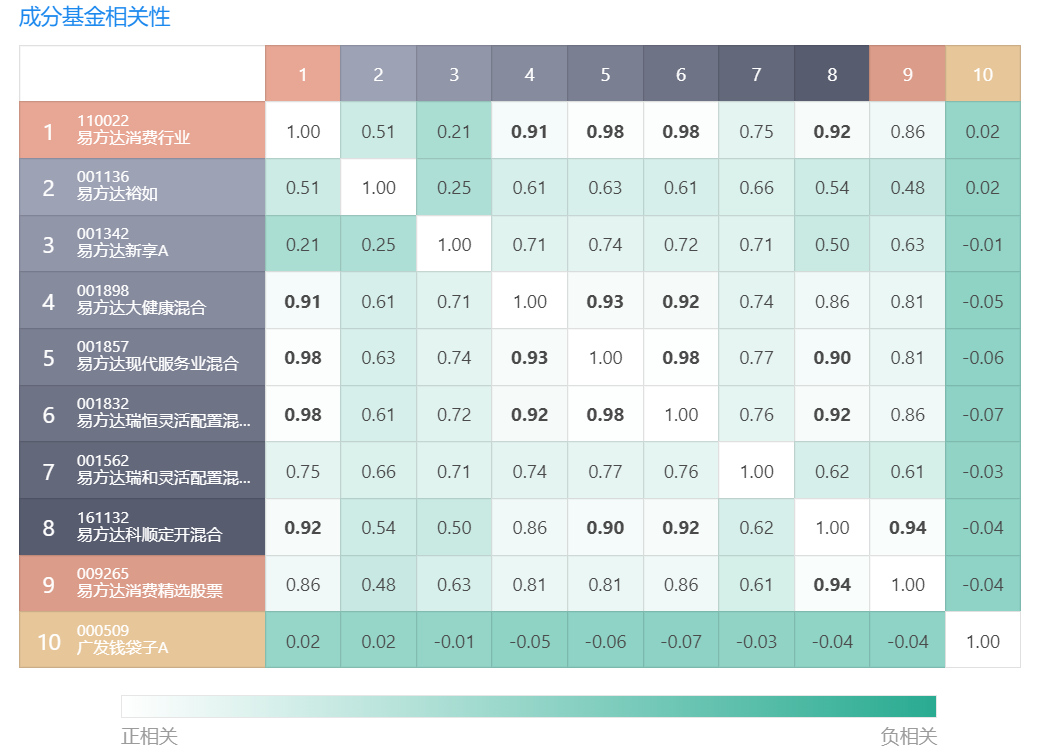
3. Invesco Great Wall
- Liu Yanchun
- Master’s degree in management from Peking University.
- Funds
- Characteristics
- Bottom-up.
- Tries to invest within his circle of competence while continuously expanding it.
- Emphasizes fundamentals.
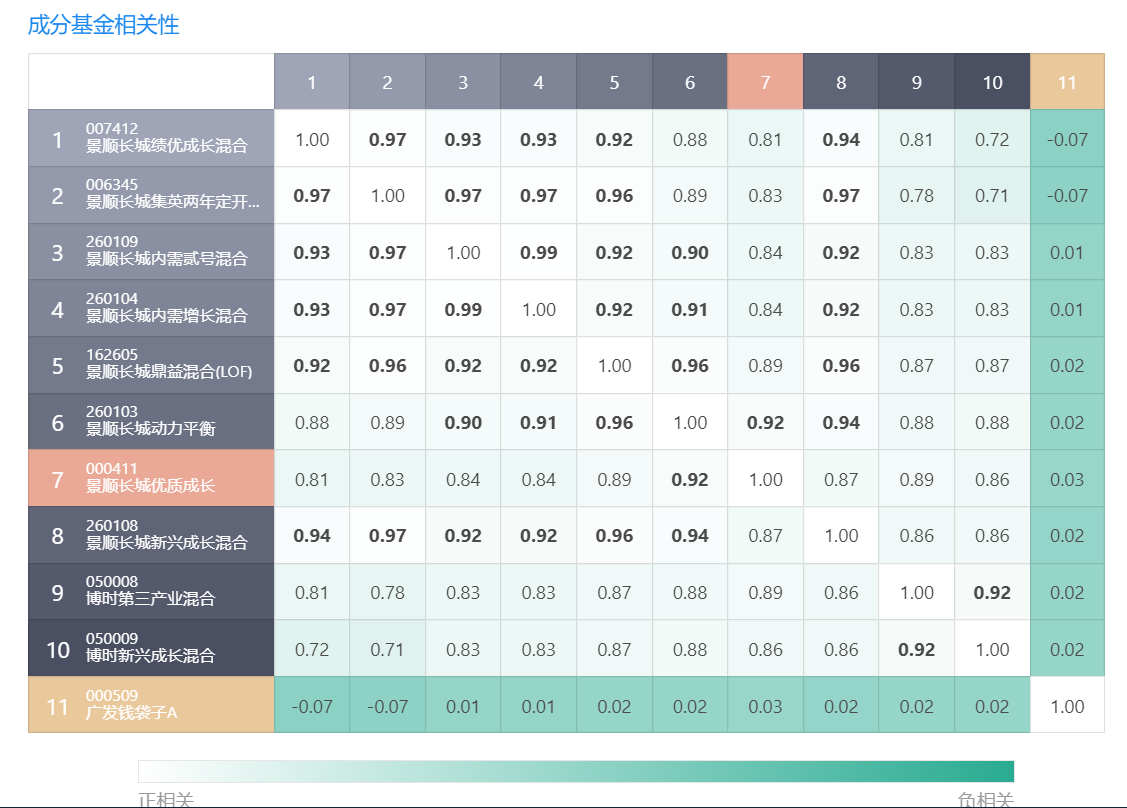
- vs. Zhang Kun
- Yu Guang
- Bachelor’s degree in economics from Guangdong University of Business Studies and an MBA in banking and finance from Bangor Business School, University of Wales.
- Characteristics
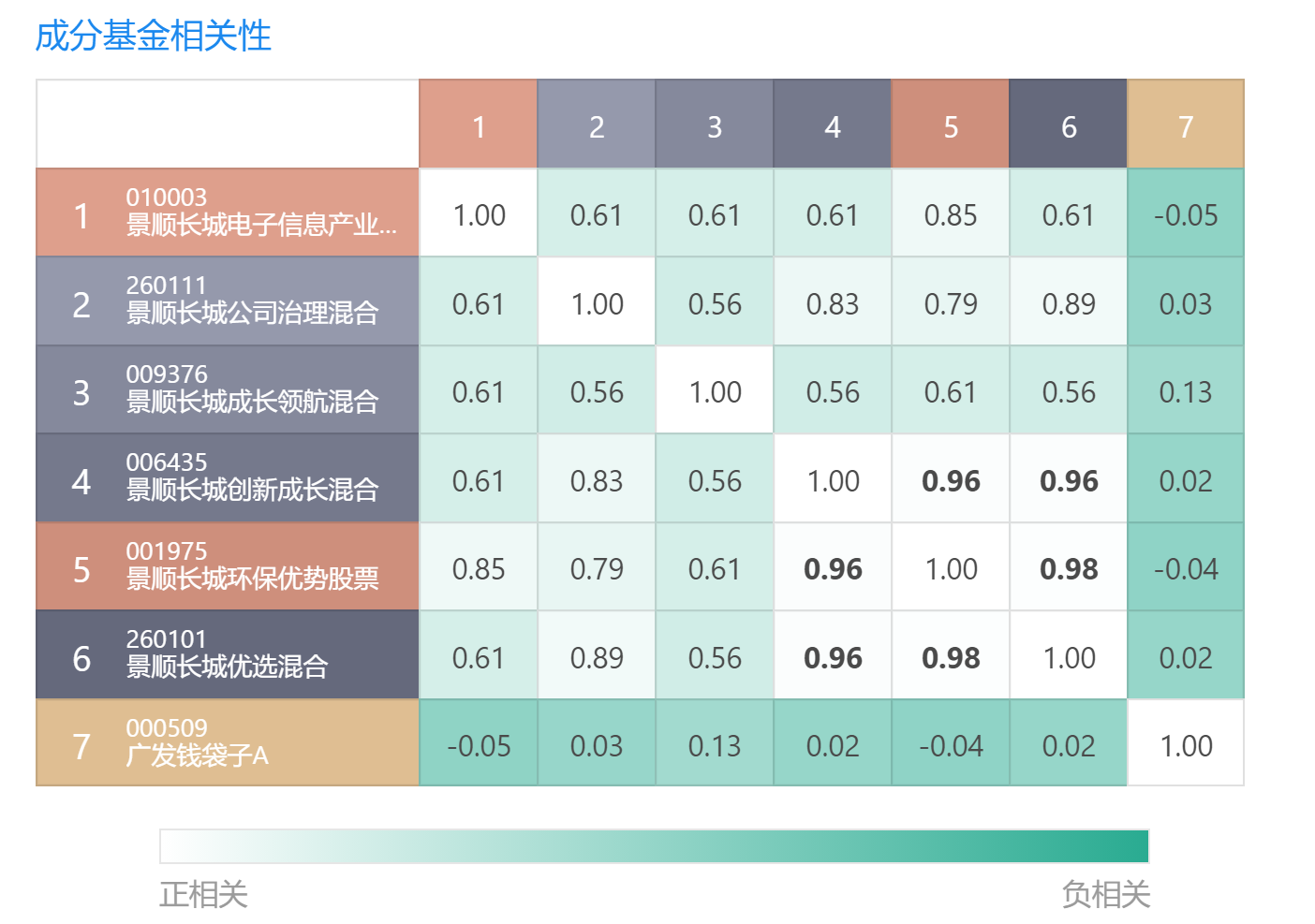
- Relatively similar to Lei Ming.
- Invests with the perspective of an industrial operator.
- Bottom-up stock selection.
- Funds
- Yang Ruiwen
- Master’s degrees in engineering and science.
- Characteristics
- Prefers growth stocks with medium-to-high valuations and medium-to-small market capitalizations.
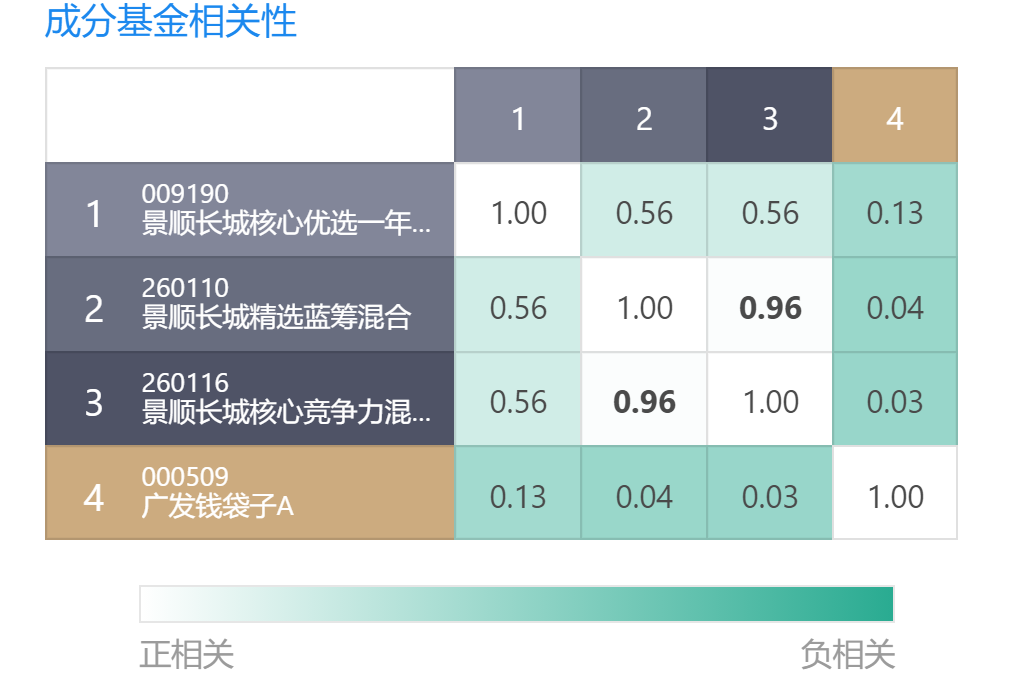
- Somewhat similar to Lao Jienan.
- Funds
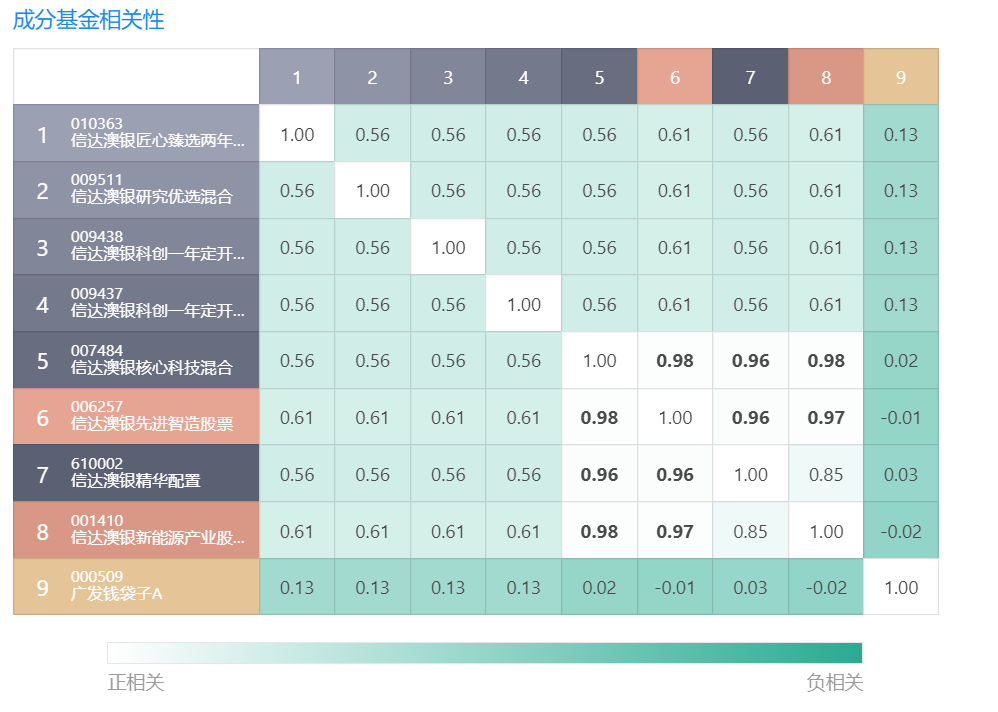
4. First State Cinda
- Feng Mingyuan
- Master’s degree in engineering from Zhejiang University.
- Funds
- Characteristics
- Diversified holdings; the top ten holdings account for only about 26%.
- Bottom-up.
- Prefers small- and mid-cap growth stocks.
- Trading ability, with annualized turnover around 3-5 times.
- Circle of competence.
5. Ruiyuan Fund
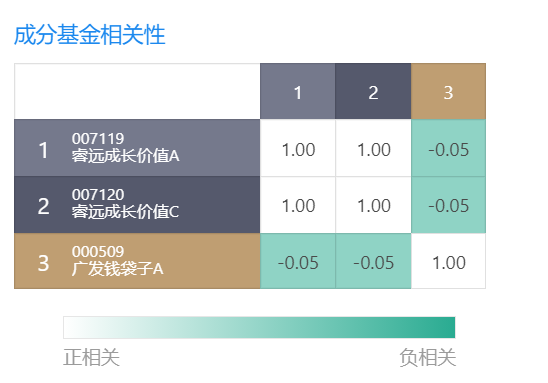
- Fu Pengbo
- Master’s degree in economics.
- Characteristics
- 50% core holdings: selected high-quality companies intended to create long-term excess returns.
- 20% holdings: companies temporarily undervalued, expected to provide returns as valuations recover.
- Remaining holdings: mainly companies driven by market or policy themes, commonly called hot themes, viewed from a short- to medium-term perspective.
- Funds
6. Xingquan Fund
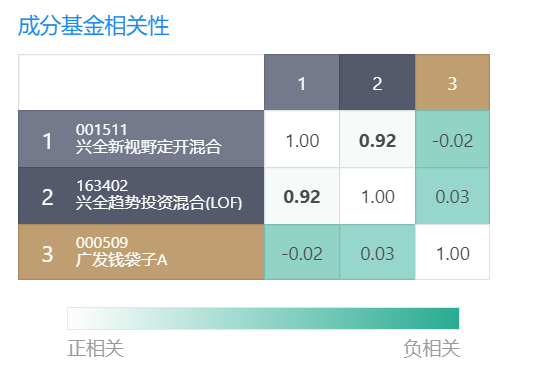
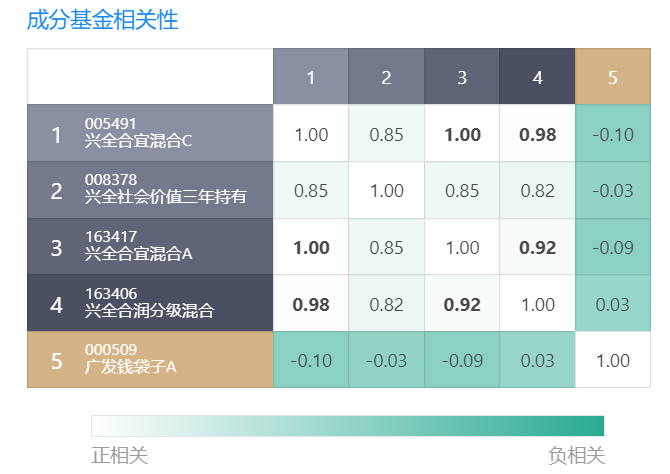
- Dong Chengfei
- Master’s degree in science from Shanghai Jiao Tong University.
- Characteristics
- Stable.
- Circle of competence.
- Balanced; not confined to a single investment style.
- Both long-term holding and some market timing.
- Considers both valuation and growth potential; invests in both value and growth.
- Combines top-down and bottom-up approaches.
- Funds
- Xie Zhiyu
- Finance engineering at Fudan University; master’s degree in economics.
- Characteristics
- Diversified holdings.
- Funds
- Ren Xiangdong
- Master’s degree in finance from Shanghai Jiao Tong University.
- Characteristics
- Institutional investors hold more than 50%.
- GARP: growth at a reasonable price, combining value and growth investing.
- Contrarian investing: focusing on what may happen in the future rather than following the crowd.
- Bottom-up.
- Company valuation:
- In addition to traditional P/E, P/B, and P/S ratios, use replacement value to estimate a company’s lower-bound value and M&A value from industrial capital to estimate its upper-bound value.
- The essence of a moat is monopoly.
- Funds
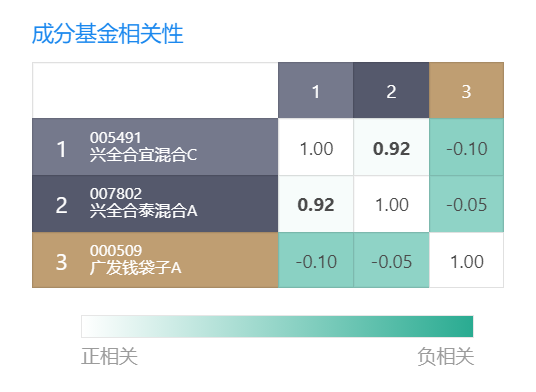
7. BOCOM Schroders
Focuses on growth stocks.
- Wang Chong
- PhD in finance from Peking University.
- Characteristics
- Controls systemic risk top-down, and selects high-growth industries/companies from meso and micro perspectives bottom-up.
- Position level controlled around 70%.
- Diversified by industry, generally mainly investing in 5-10 industries.
- Concentrated by individual stock, with top ten holdings above 50%.
- Contrarian investing.
- Emphasizes drawdown control.
- Funds
- Yang Hao
- Communications and information systems at Beijing University of Posts and Telecommunications.
- Characteristics
- TMT (Technology, Media, Telecom).
- Growth-stock investing.
- Strong drawdown control.
- Funds
- He Shuai
- Master’s degree from Shanghai University of Finance and Economics.
- Characteristics
- Growth-stock investing.
- Position level controlled between 60%-80%.
- Funds
- Comparison
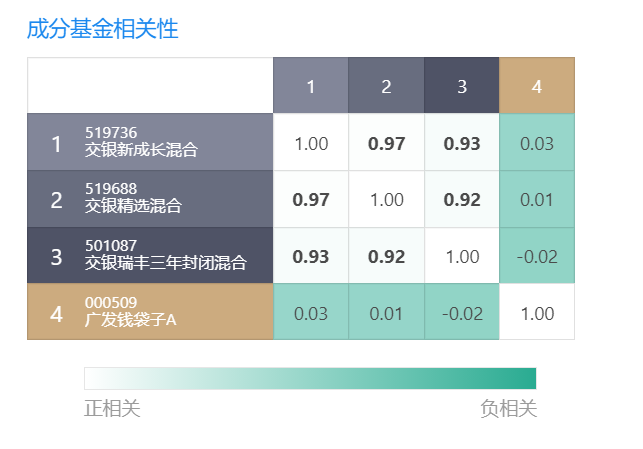
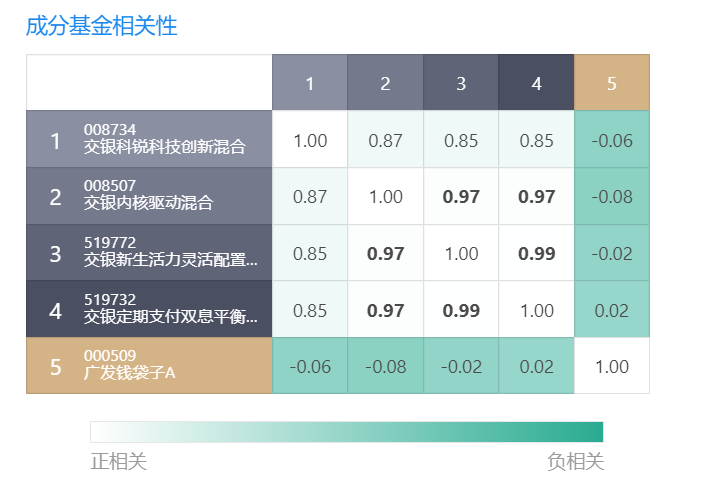
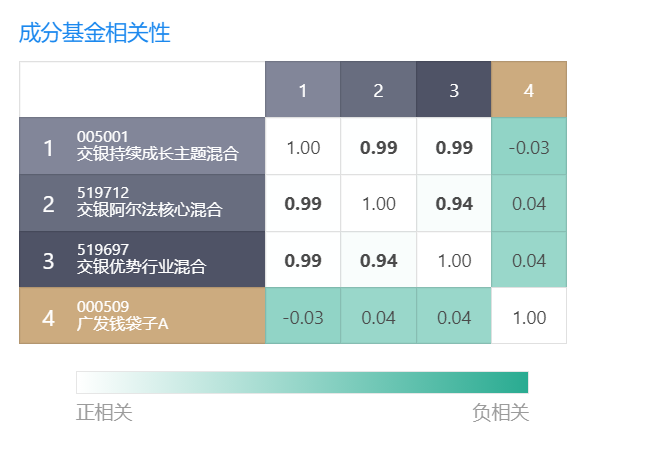
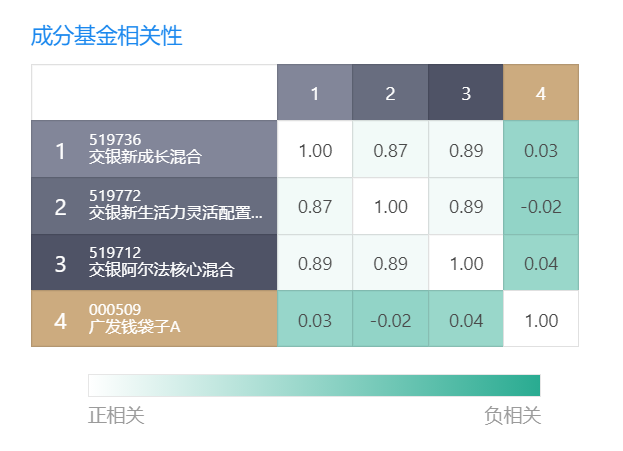
8. China Europe Fund
- Zhou Weiwen
- Master’s degree in management science and engineering from Peking University.
- Characteristics
- Top-down. Most excess return comes from stock selection within industries and industry rotation.
- Industry prosperity.
- Left-side positioning.
- Funds
- Zhou Yingbo
- Master’s degree in control theory and control engineering from Peking University.
- Characteristics
- Holding style shifted from small-cap growth to large-cap value and mid-cap growth.
- Industry coverage expanded from a few industries to stock selection across all industries.
- Stock-selection logic gradually shifted from industry rotation to bottom-up stock selection.
- Trading frequency shifted from high turnover to low turnover.
- Funds
- Cao Mingchang
- Characteristics
- Performance weakened while training younger managers.
- Low risk preference.
- Mainly bottom-up stock selection.
- Characteristics
- Wang Pei
- Master’s degree in polymer physics and chemistry from Fudan University.
- Characteristics
- Growth stocks.
- Some so-called small- and mid-cap innovation-board names cannot simply be equated with “growth.” Only companies that can continuously use high growth to absorb their valuation can be called high-growth companies.
- One group benefits from technological progress lowering costs; another benefits from monetary expansion.
- Cycle theory.
- Four quadrants: cycle, value, growth, consumption.
- Growth stocks.
- Funds
- Ge Lan
- Bachelor’s degree in engineering physics from Tsinghua University and PhD in biomedical engineering from Northwestern University.
- Characteristics
- Strongly optimistic about future opportunities in healthcare.
- In industries serving government customers, when customers are relatively monopolistic and powerful, pharmaceutical companies have weak bargaining power and little pricing power, which suppresses profits.
- Emphasizes top-down monitoring of regulatory-policy changes while using professional bottom-up analysis to assess company value.
- Funds
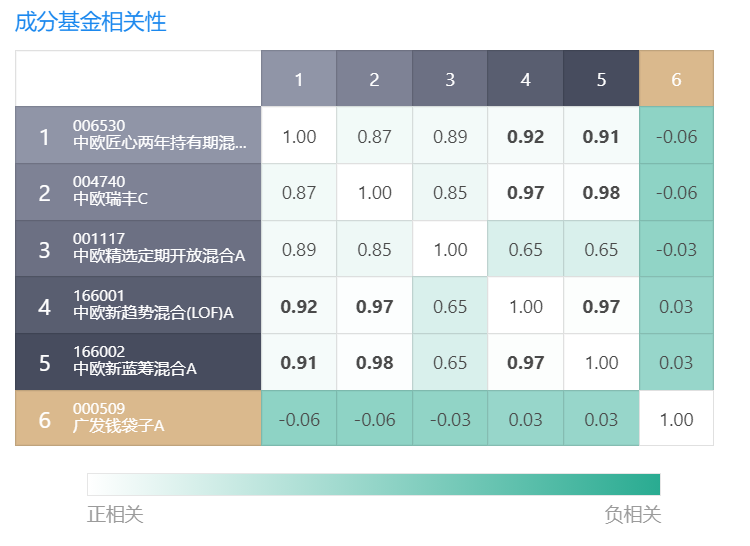
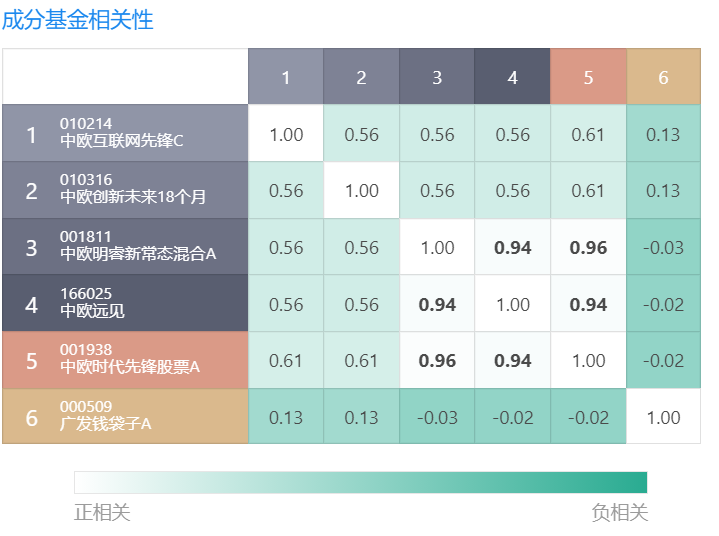
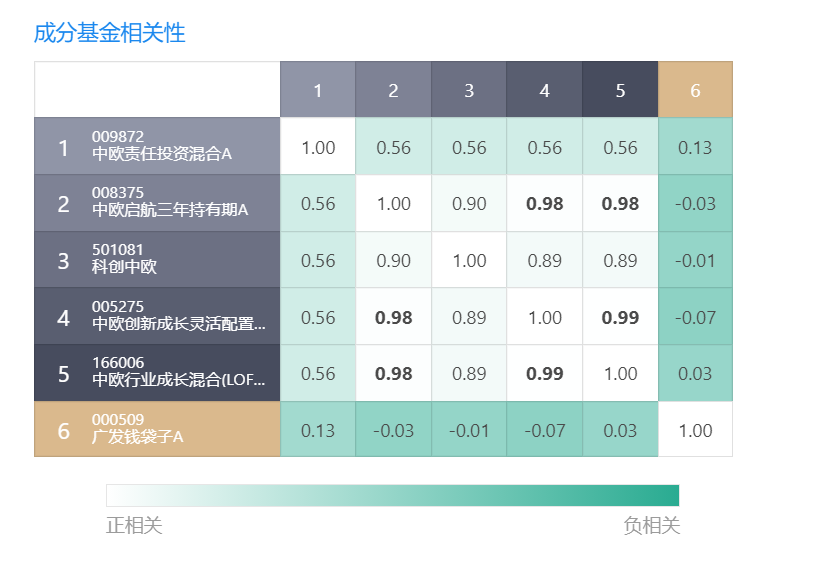
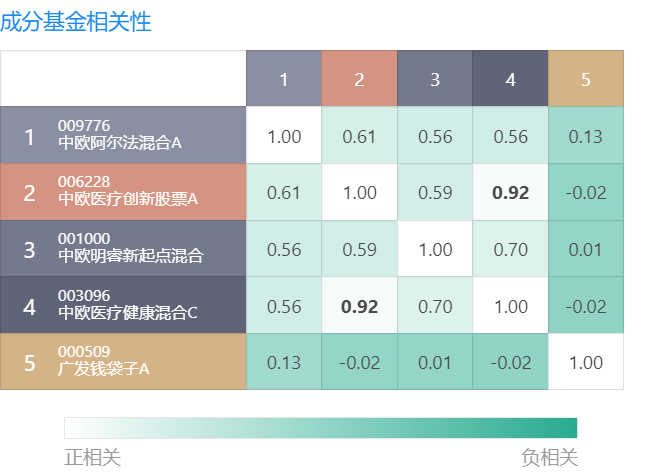
9. Fullgoal Fund
- Yu Yang
- Bachelor’s degree in biopharmaceuticals from the School of Life Sciences at Nanjing University.
- Characteristics
- Healthcare industry.
- Relatively young.
- Had left the firm.
- Funds
- Fullgoal Precision Healthcare.
- Zhu Shaoxing
- PhD in management.
- Characteristics
- Bottom-up.
- Growth-oriented.
- Growth-stock investing.
- Downplays market timing.
10. China Universal Fund
- Lei Ming
- Master’s degree in management from Huazhong University of Science and Technology.
- Characteristics
- Medium- to long-term absolute return.
- Growth stocks.
- Contrarian investing.
- Funds
- Lao Jienan
- Bachelor’s and master’s degrees in economics from Fudan University.
- Characteristics
- Relatively balanced industry allocation.
- Bottom-up, selecting individual stocks.
- Contrarian investing and left-side trading.
- Funds
- vs. Lei Ming
- Lei Ming’s performance is more elastic and tends to do better in rising markets, while Lao Jienan is relatively more defensive in falling markets; over the medium and long term their performance was relatively similar.
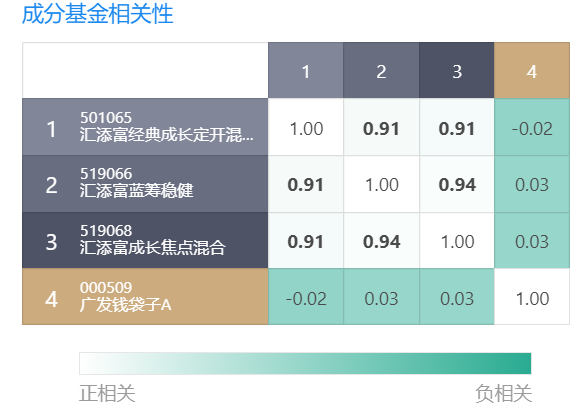
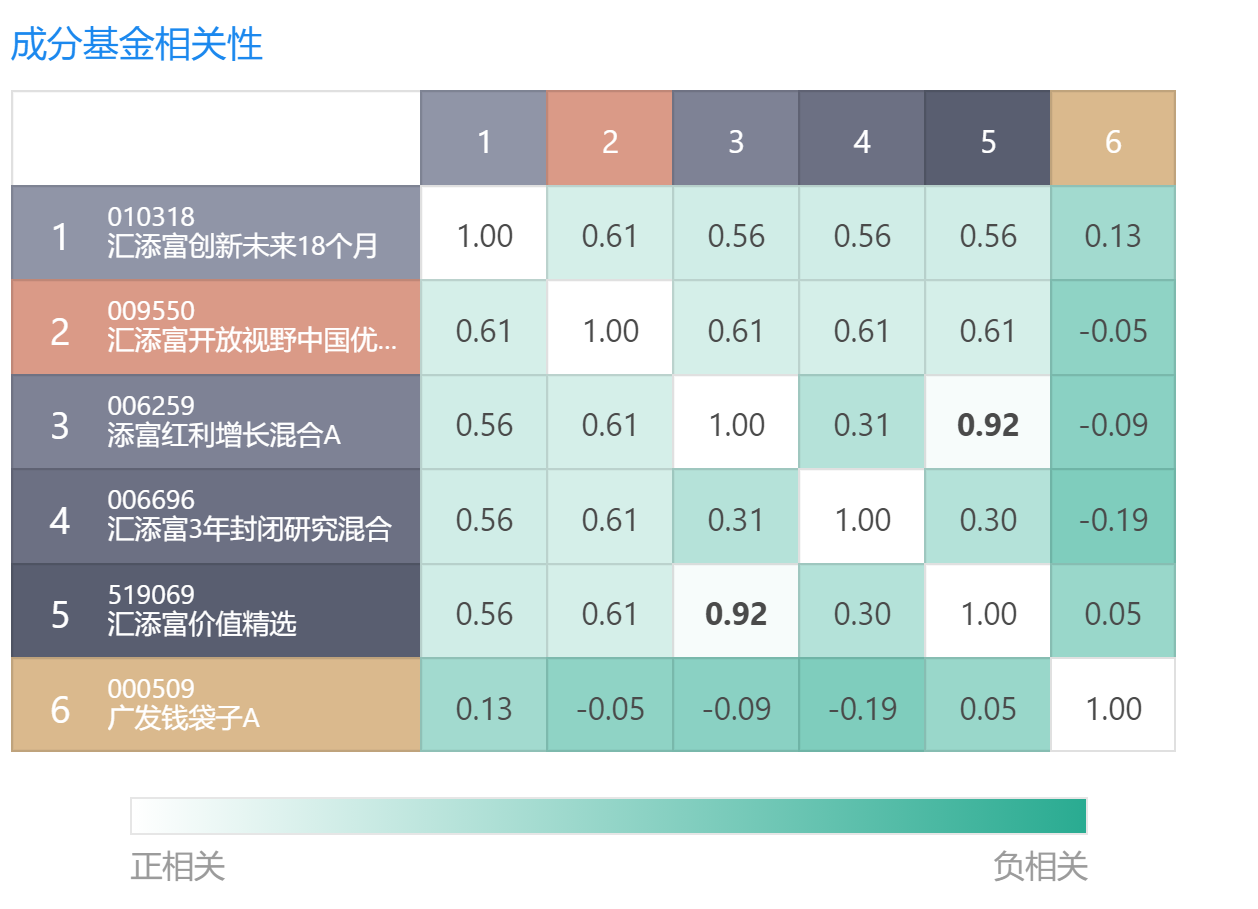
11. GF Fund
- Fu Youxing
- Master’s degree in economics.
- Characteristics
- Top-down.
- Contrarian thinking.
- Balanced fund.
- Funds
- Liu Gesong
- PhD in economics.
- Characteristics
- Evolution.
- Funds
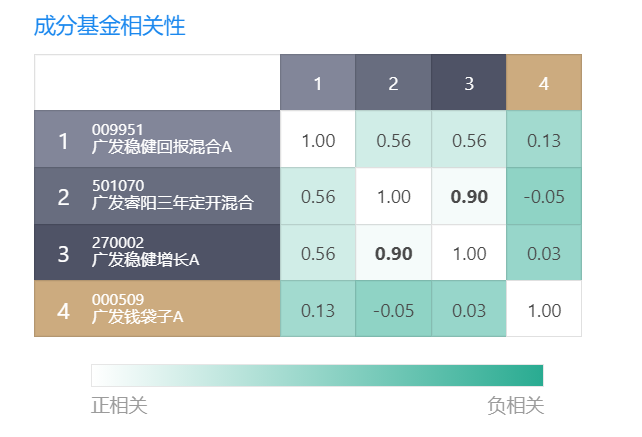
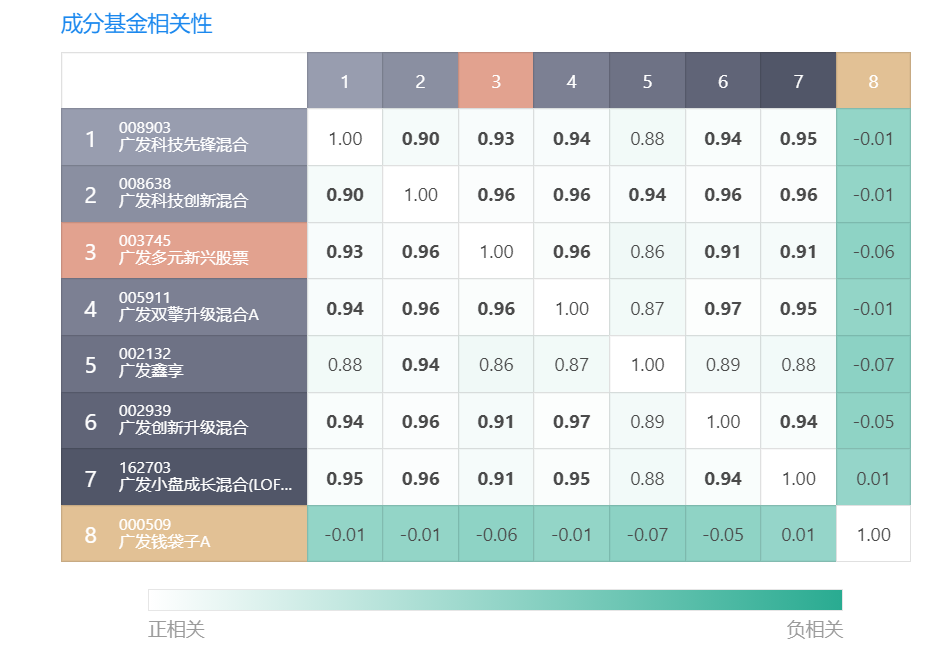
12. Harvest Fund
- Gui Kai
- Master’s degree in economics from Tsinghua University.
- Characteristics
- Value investing tilted toward growth.
- Selects stocks from three dimensions: business model, competitive advantage, and industry trend.
- Funds
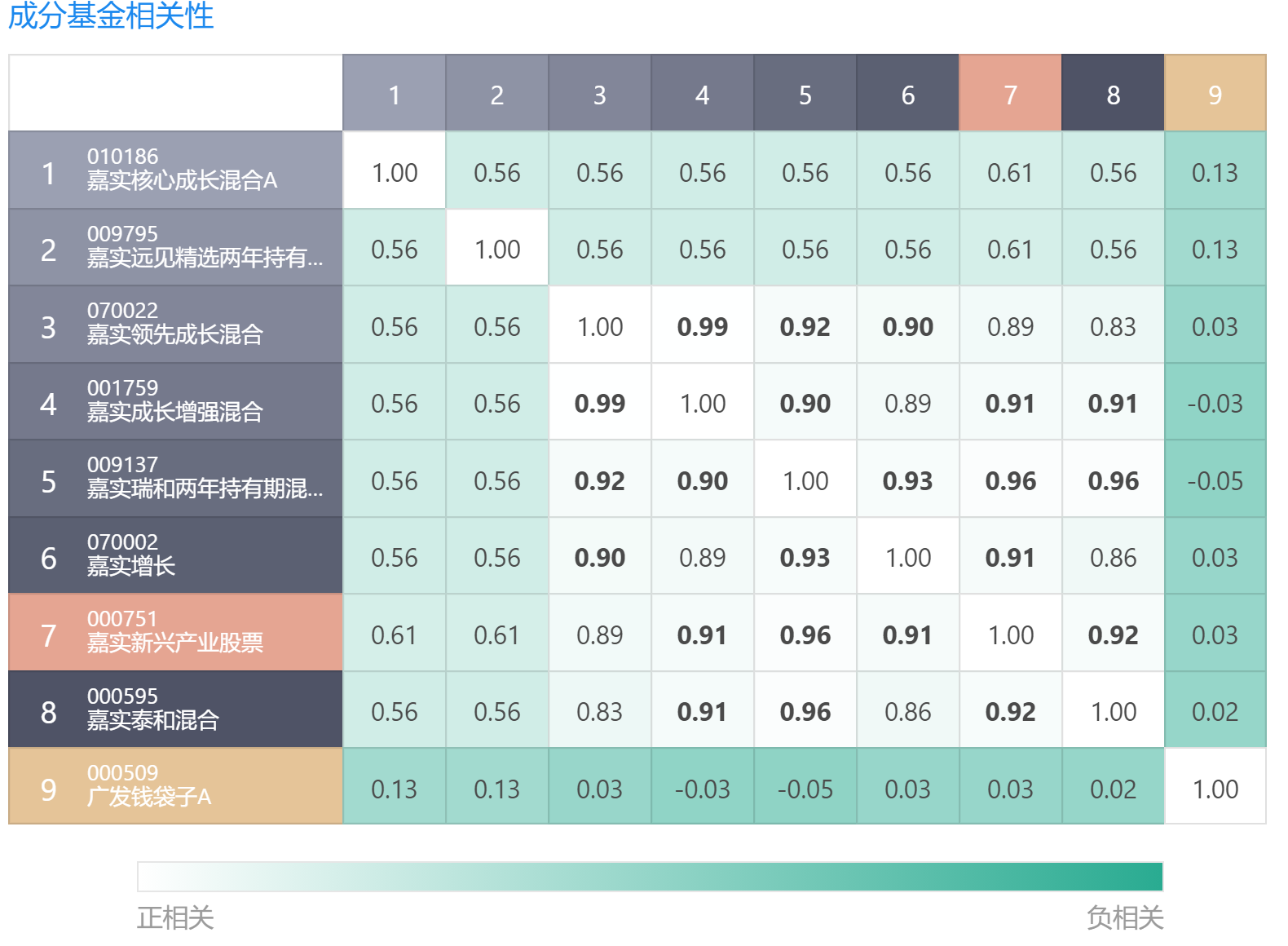
13. China Asset Management
Most effort was focused on ETFs, and active funds had become much weaker.
- Cai Xiangyang
- Master’s degree in finance from China Agricultural University.
- Characteristics
- Bottom-up.
- Large-cap value and large-cap growth.
- Relatively low turnover.
- Equity exposure maintained between 40%-60% for a long period.
- Not favored.
- Funds
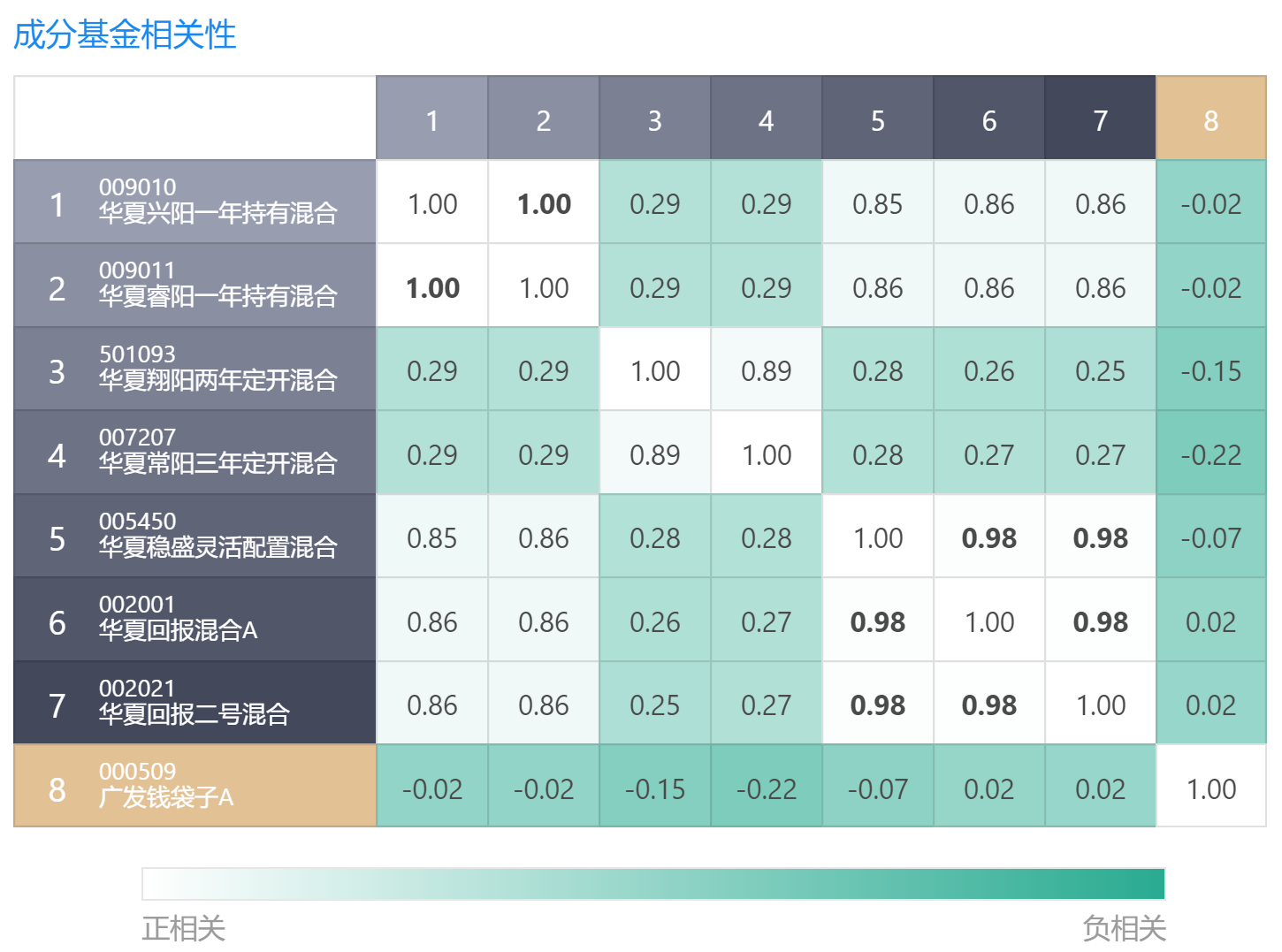
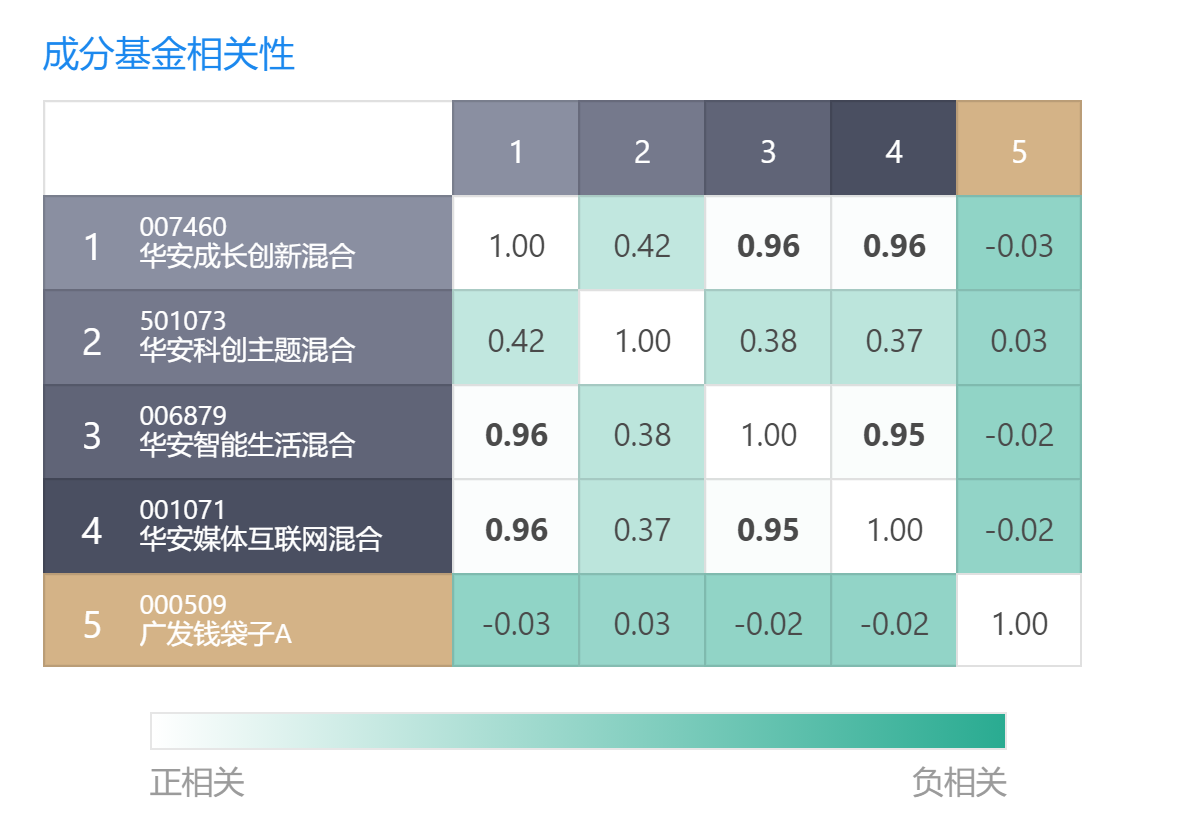
14. HuaAn Fund
- Yang Ming
- Master’s degree from Central University of Finance and Economics.
- Characteristics
- Strict drawdown control.
- Bottom-up.
- Circle of competence
- Mainly concentrated in large financials and cyclical industries.
- Funds
- Hu Yibin
- Characteristics
- Meso-level investor.
- Growth stocks.
- Funds
- Characteristics
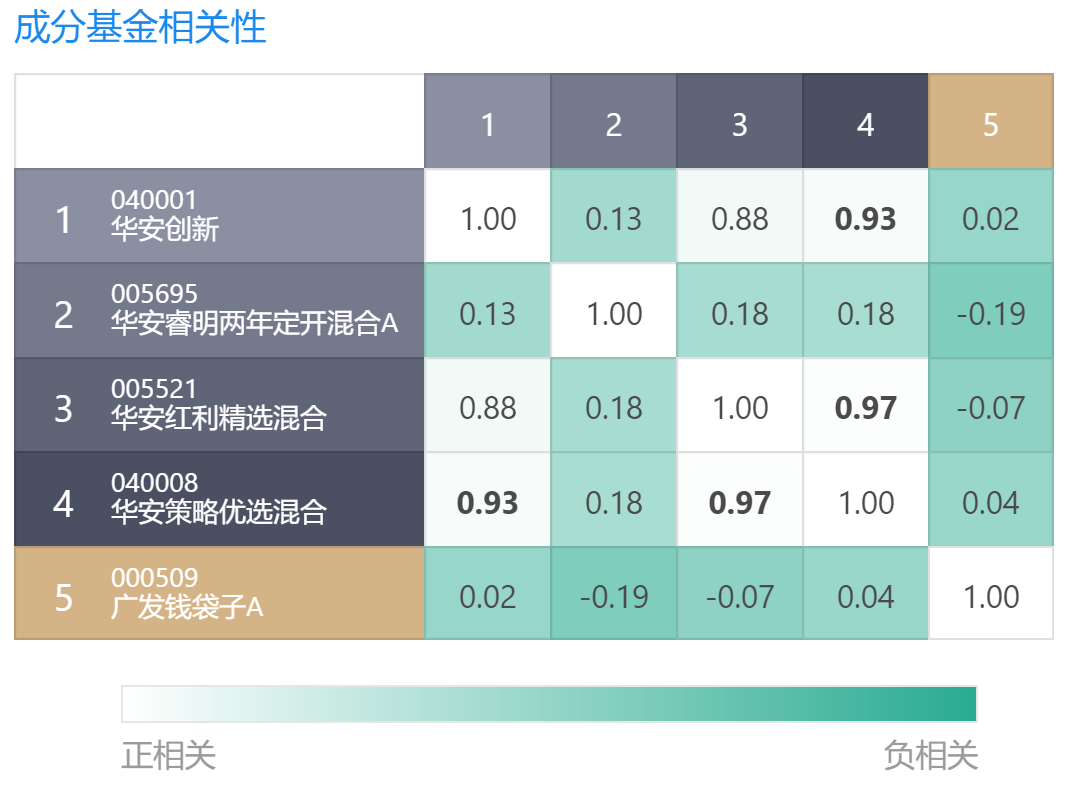
15. Yinhua Fund
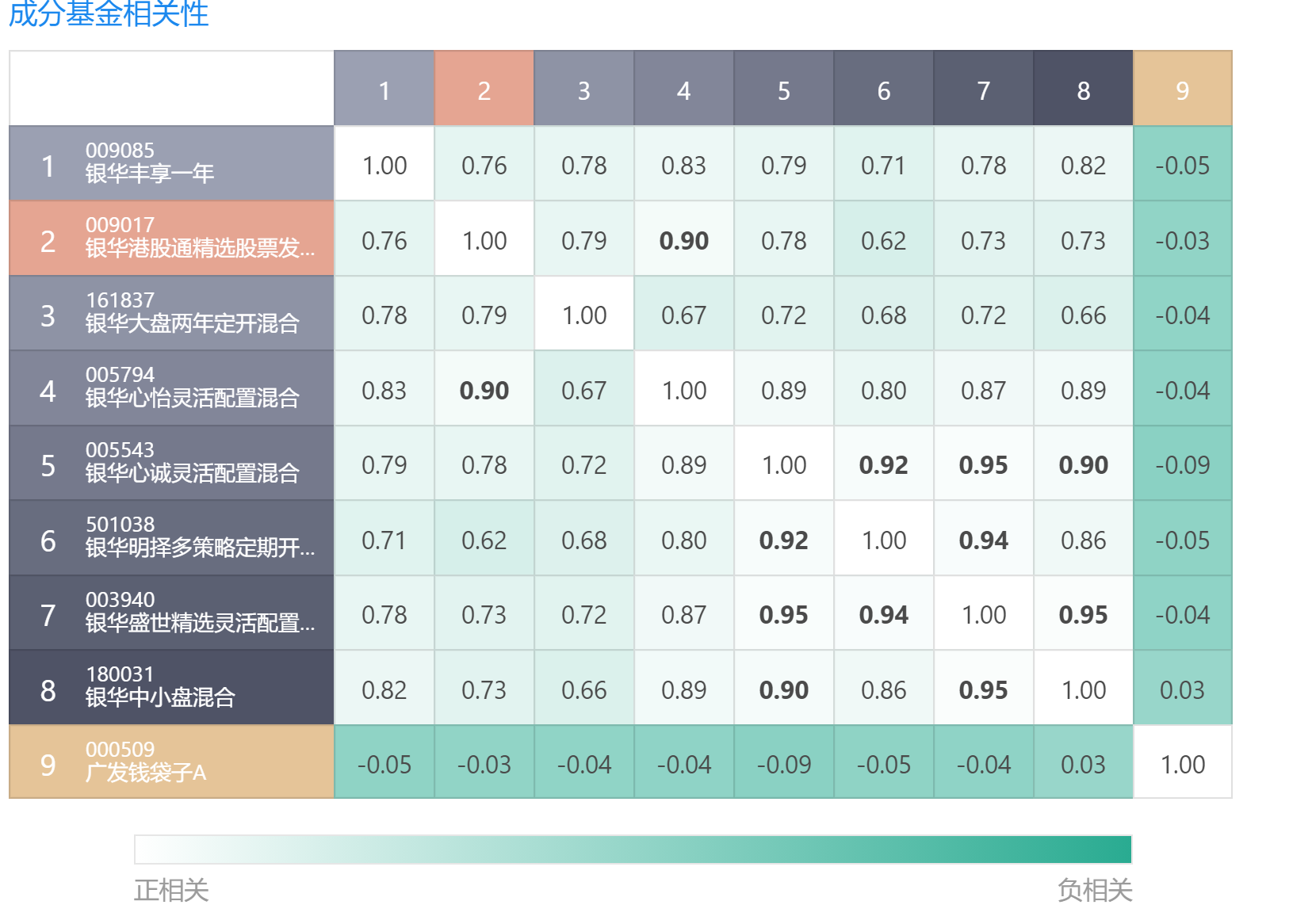
- Li Xiaoxing
- Master’s degrees in engineering from the University of Cambridge and Imperial College London.
- Characteristics
- Prosperity-trend investing.
- Find industries whose prosperity is improving.
- Within those industries, find companies with fast earnings growth.
- From those companies, select names with reasonable valuations.
- Prefer names where the market has a different expectation about fundamentals.
- High institutional ownership.
- Prosperity-trend investing.
- Funds
16. Zhonggeng Fund
- Qiu Dongrong
- MBA from Cheung Kong Graduate School of Business and bachelor’s degree in chemical engineering and technology from Tianjin University.
- Characteristics
- Value-strategy framework
- First, asset allocation based on risk and risk premium.
- Second, PB-ROE bottom-up stock selection, centered on uncertainty in ROE.
- Third, a risk-management system.
- The framework is relatively conservative, so long-term performance may not be especially outstanding.
- Value-strategy framework
17. Guotai Fund
- Zhou Weifeng
- Master’s degree.
- Characteristics
- Circle of competence
- New-energy vehicles, pharmaceutical distribution, consumption, and traditional manufacturing.
- Value investing.
- Industry prosperity + bottom-up individual-stock selection.
- Institutional ownership once reached as high as 96%.
- Had changed employers.
- Circle of competence
18. Penghua Fund
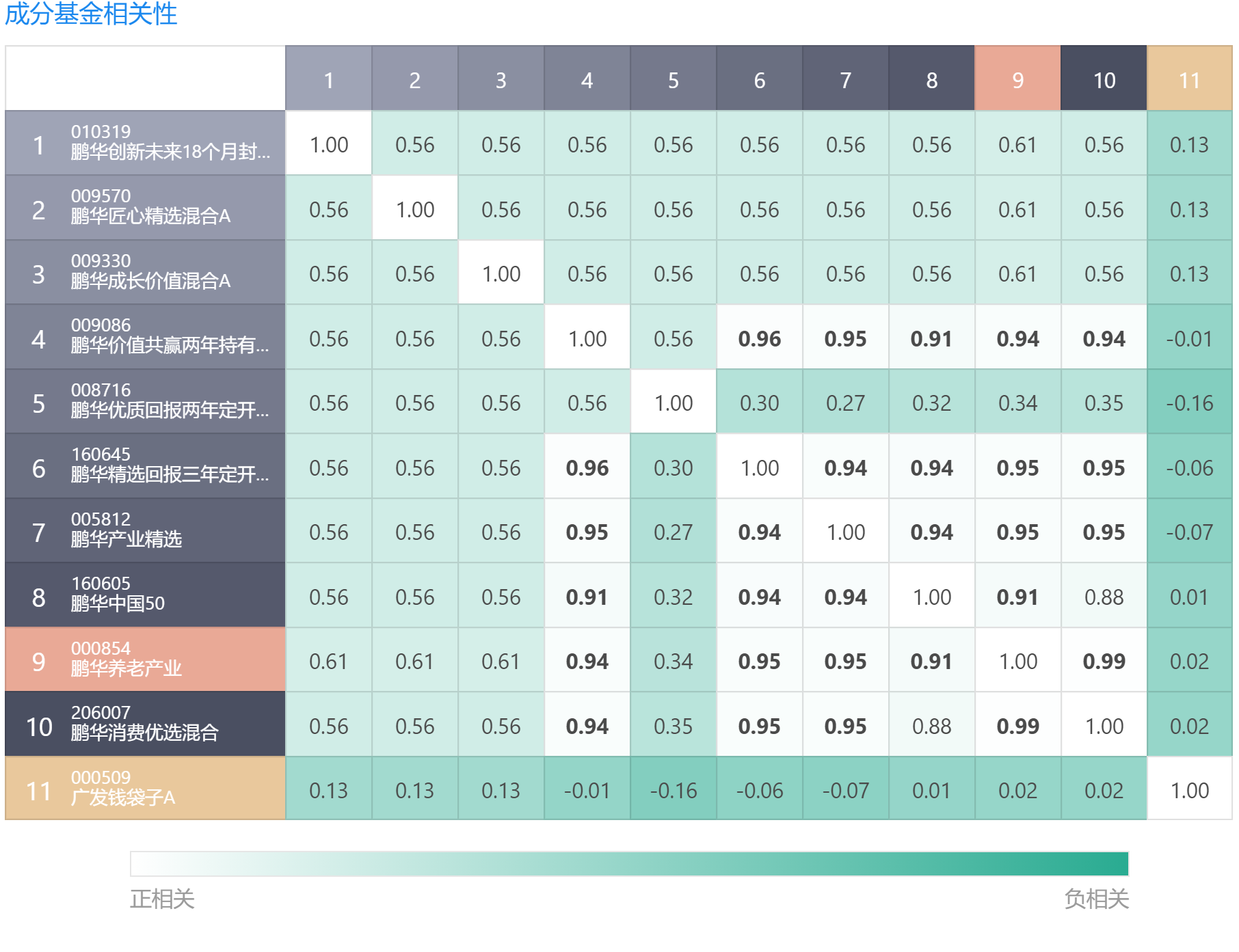
- Wang Zonghe
- Master’s degree in finance from Renmin University of China.
- Characteristics
- Circle of competence
- Prefers the food-and-beverage industry.
- Bottom-up.
- Circle of competence
- Funds
19. Huatai-PineBridge
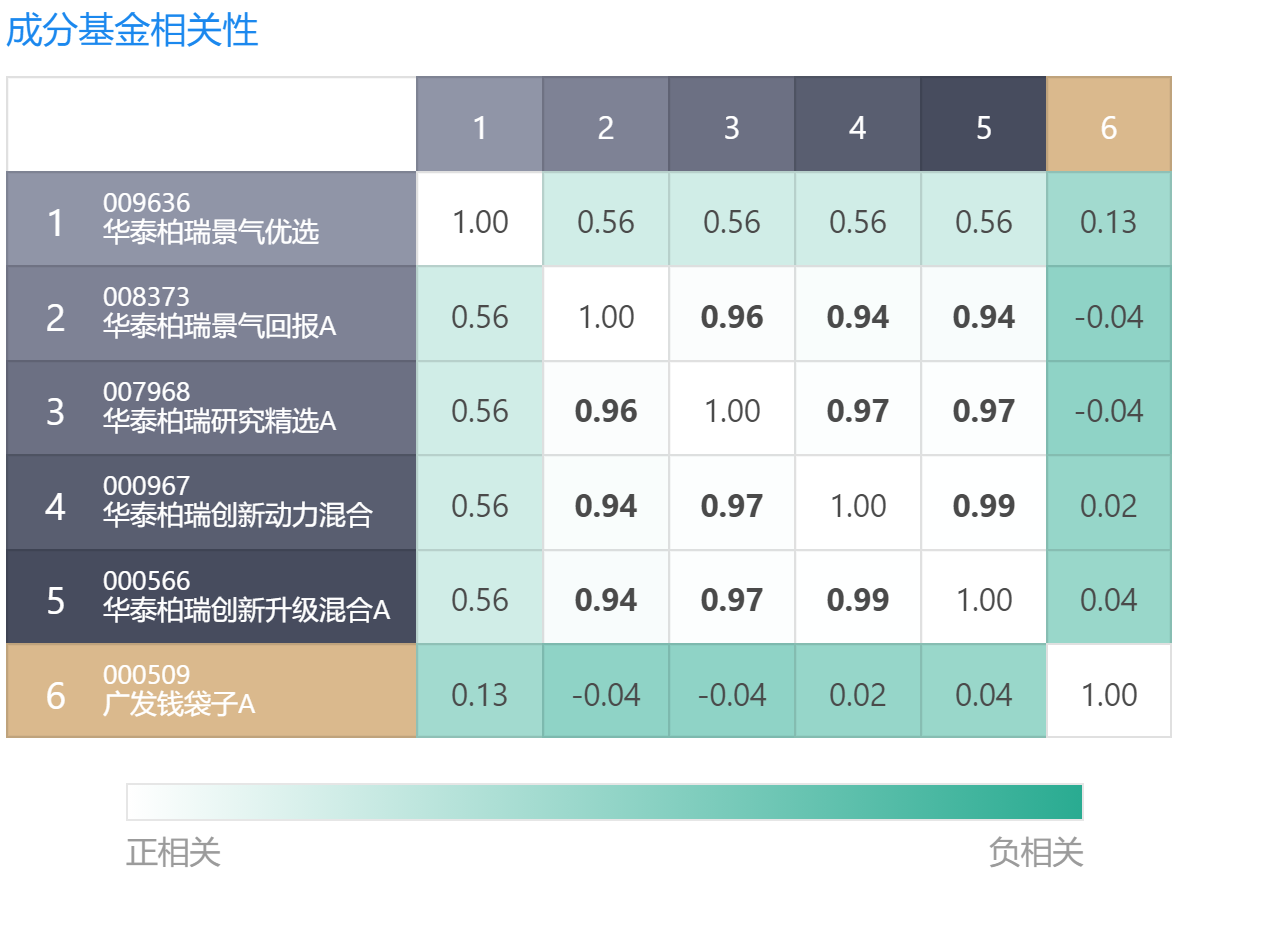
- Zhang Hui
- Master’s degree in economics.
- Characteristics
- Growth stocks.
- Quantitative tools.
- Consumption.
- A managed stock-selection system.
- From a meso perspective, select industries with improving and persistent prosperity, then use bottom-up analysis to find strong companies with earnings momentum and continuously track and iterate on the targets.
- Funds
- Growth stocks.
20. Hongde Fund
- Wu Chuanyan
- Graduated from Tsinghua University.
- Characteristics
- A background in insurance asset management provides balanced stock and bond capabilities.
- Long-distance runner.
- Institutional ownership remained above 90% for a long period.
- Funds
Discussion
Sign in with GitHub to comment. Discussions are stored as GitHub Issues.View on GitHub