
NOTE
IPO Subscription
English translation of the original VNote “IPO Subscription”, preserving its structure with only necessary small corrections.
This is a historical learning note and may contain outdated or incomplete understanding.
1. What Is IPO Subscription?
Participating in the subscription for newly issued shares; if allocated shares, you purchase stock that is about to be listed.
2. Why IPO Subscription Used to Be Considered Profitable
A-share IPOs previously operated mainly under an approval system, with substantial constraints on issue pricing, so many new listings experienced large first-day gains. Under the comprehensive registration-based system, IPOs can also break below the issue price and produce losses.
A-share issuance has since moved to a full registration-based system. IPO subscription is not guaranteed to be profitable, and new shares can trade below their issue price.
3. Hong Kong IPO Subscription
3.1. Characteristics
3.1.1. Broad Allocation (Retail-Friendly)
The allocation mechanism tries to give accounts at least one board lot before further allocation.
3.1.2. Greenshoe Mechanism
3.1.2.1. What It Is
- Overallotment option.
- Involves issuer - lead underwriter - investors.
- The issuer issues shares, the lead underwriter sells them, and investors buy from the underwriter.
- Example
- Tencent Music lists and issues 100 shares, Merrill Lynch handles the sale, and there is an additional 15-share overallotment option.
- If demand is strong, the lead underwriter may exercise the overallotment option under the deal terms and obtain additional shares from the issuer to cover the overallotment.
- If the post-listing price is weak, the lead underwriter may, instead of fully exercising the option, buy shares in the market to cover the short overallotment position and stabilize the price; this is not simply “buy 15 shares and resell them.”
3.1.2.2. Purpose
- When the price rises, all three parties benefit.
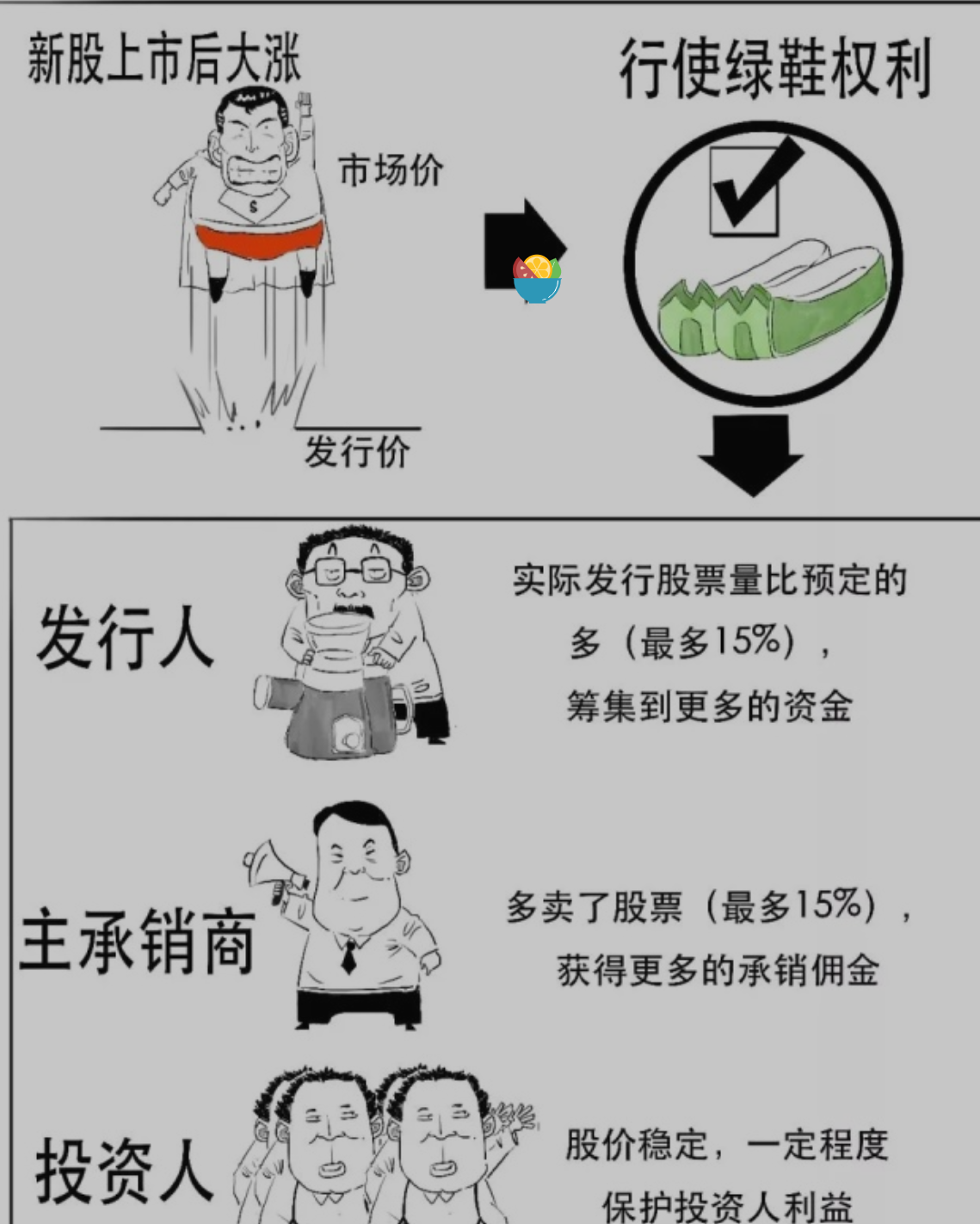
- When the price falls, investors can lose money.
3.2. Cornerstone Investors
3.2.1. What They Are
- Major institutional investors, large business groups, well-known wealthy investors, or their companies commit to buying new shares and accept a lock-up period such as six months under the deal terms.
- This provides credibility signaling.
3.2.2. Purpose
- For a cornerstone investor, the benefit is securing sufficient allocation.
- For an ordinary investor, having cornerstone investors is generally preferable to having none.
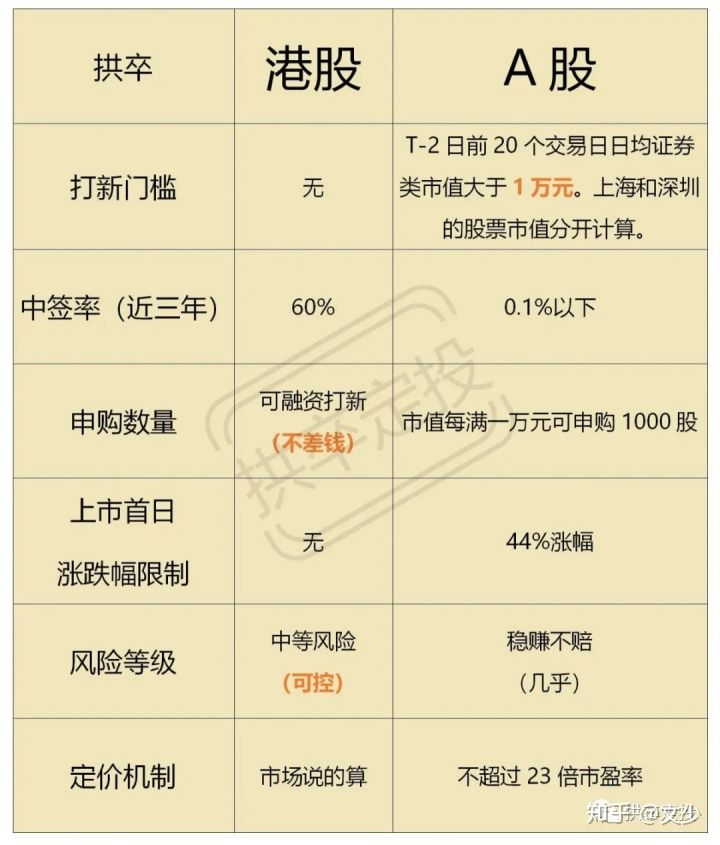
3.3. Hong Kong vs. A-Shares
3.4. Grey-Market Trading
3.4.1. What It Is
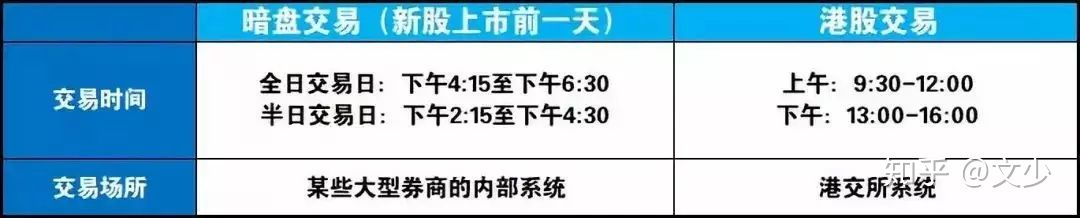
- A compliant trading arrangement offered by some brokers.
- Public trading is through HKEX; grey-market trading takes place through broker systems before official listing.
3.4.2. Why It Exists
- Grey-market trading is a preview before listing and reflects investor sentiment.
A-Share IPO Subscription
It is not guaranteed profit; IPOs can break below the issue price and produce losses.
4. Note
- Subscribe to the IPO, do not speculate after listing; sell on the first day.
5. References
- IPO Subscription - Baidu Baike
- The Real Risks and Returns of Hong Kong IPO Subscription - Zhihu
- Cornerstone Investors in Hong Kong IPOs - Zhihu
- Greenshoe Mechanism in Hong Kong IPOs - Zhihu
- Grey-Market Trading Is Only a Tool - Zhihu
- Convertible-Bond IPO Subscription - Zhihu
- Why Not to Speculate on Newly Listed Shares - Zhihu
Discussion
Sign in with GitHub to comment. Discussions are stored as GitHub Issues.View on GitHub