
NOTE
Elasticity Theory
English translation of the original VNote “Elasticity Theory”, preserving its structure and content.
This is a historical learning note and may contain outdated or incomplete understanding.
1. Demand
1.1. Price Elasticity of Demand
1.1.1. What It Is
1.1.1.1. Elasticity Coefficient
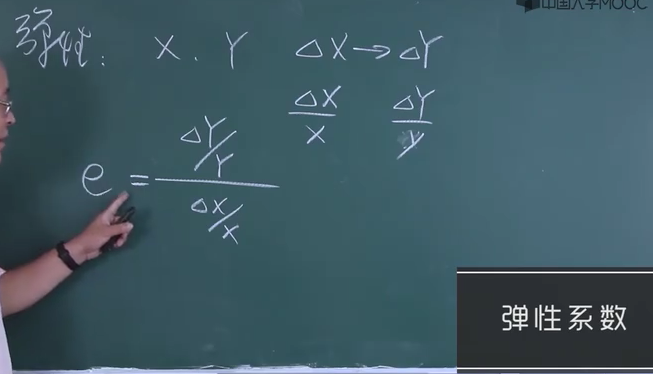
1.1.1.2. Price Elasticity of Demand
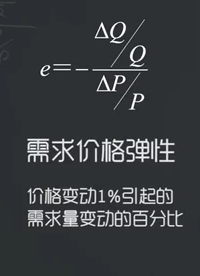
- The numerator is the rate of change in quantity demanded.
- The denominator is the rate of change in price.
1.1.2. Calculation Methods
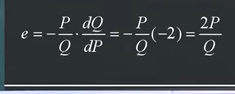
1.1.2.1. Point Elasticity
- Directly substitute the two points.
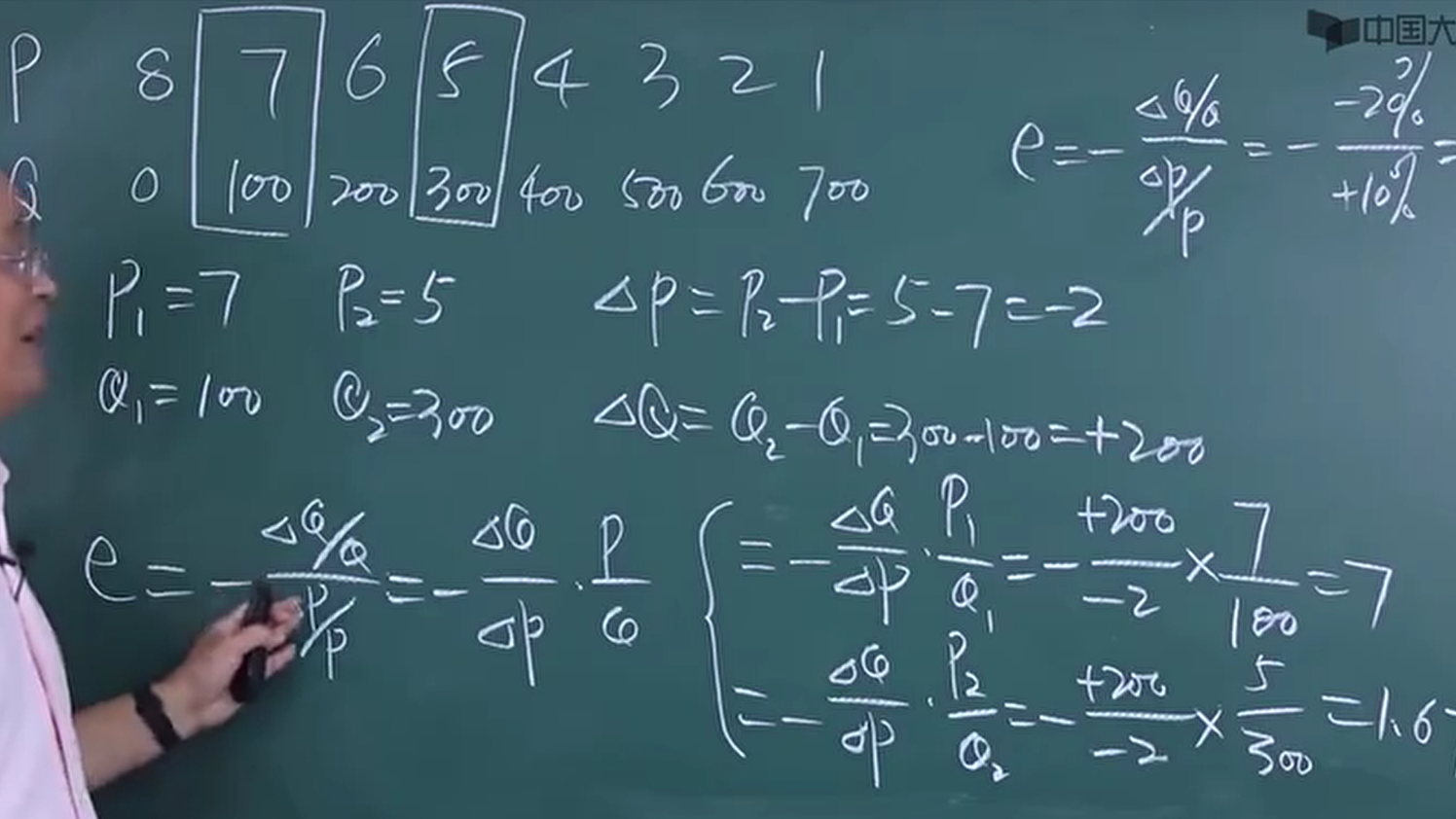
- The calculated results differ because different calculation bases are used.
1.1.2.2. Arc Elasticity
- Calculate using the average of the two points.
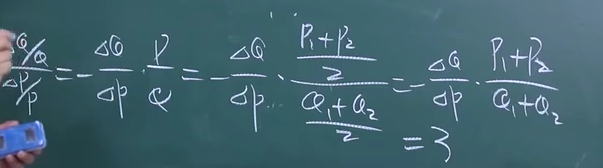
1.1.2.3. Arc Elasticity vs. Point Elasticity
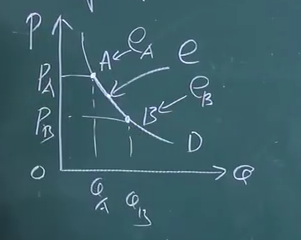
- When the price change is very small, point elasticity is more accurate.
1.1.3. Types
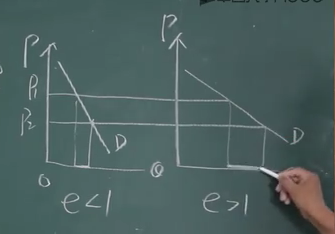
- There are mainly two types: elastic and inelastic.
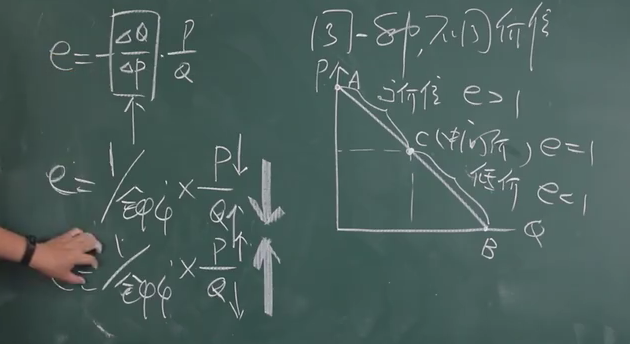
- e > 1: elastic
- e < 1: inelastic
- e = 1: unit elastic
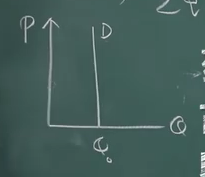
- e = 0: perfectly inelastic
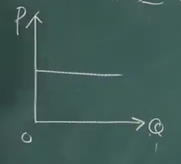
- e = infinity: perfectly elastic
- e > 1: elastic
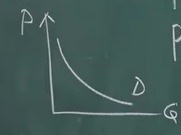
- For the same good, demand is elastic at a high price level and inelastic at a low price level.
1.1.4. Factors Affecting Price Elasticity of Demand
- How necessary the good itself is
- The more necessary it is, the smaller the elasticity.
- Degree of substitutability
- The greater the substitutability, the greater the elasticity.
- The proportion of total expenditure or total income accounted for by the good
- The higher the proportion, the greater the elasticity.
- Uses of the good
- The more uses it has, the greater the elasticity.
- Breadth of the category
- The broader the category, the smaller the elasticity.
- Length of time
- In the short term, elasticity is small.
1.1.5. Use
- The more a purchase requires careful consideration, the greater its elasticity.
- Pricing
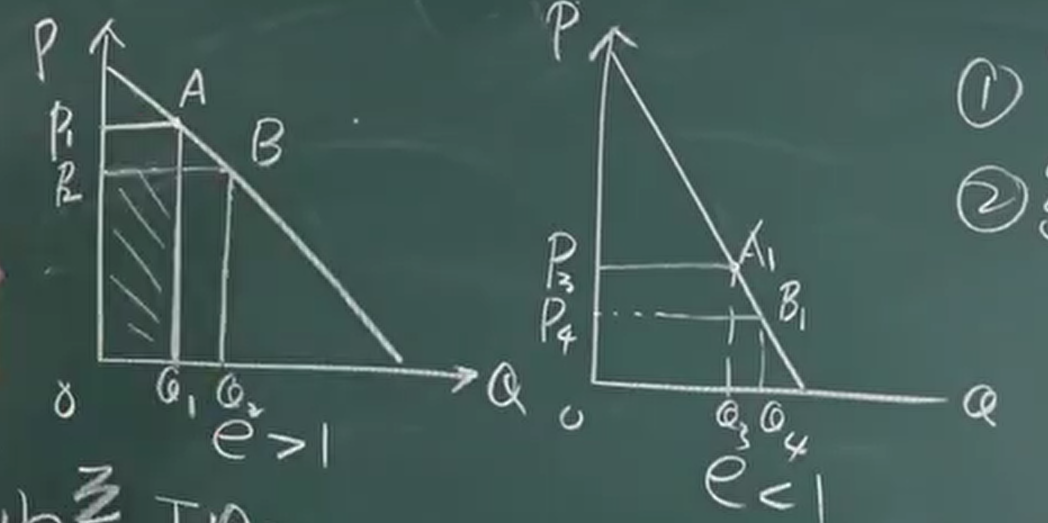
- Elastic: set a low price.
- Inelastic: set a high price.
1.2. Income Elasticity of Demand
1.2.1. What It Is
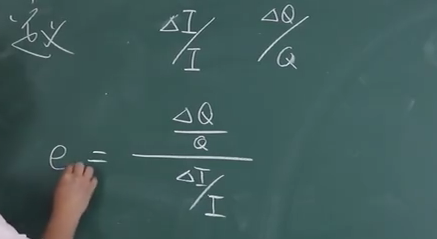
- The percentage change in quantity demanded caused by a 1% change in consumer income.
- e > 0: normal goods
- 0 < e < 1: necessities
- e > 1: luxury goods
- e < 0: inferior goods
1.2.2. Use
- Determine the nature of a good
- Whether it is a normal good or an inferior good.
- Compare differences in living standards between two different social groups
- Both rural and urban households have washing machines. If rural e > 1 while urban 0 < e < 1, this indicates that urban living standards are higher than rural living standards.
- Adjust the export structure
- If a country’s economy is prosperous, export goods with a large e.
- Otherwise, export goods with a small e.
- Adjust the product structure in a timely manner
- Same as above.
1.3. Cross Elasticity of Demand
1.3.1. What It Is
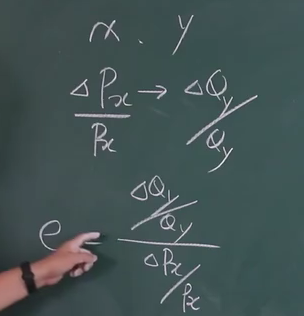
- exy: the change in demand for x caused by a change in the price of y.
- eyx: the change in demand for y caused by a change in the price of x.
1.3.2. Use
- Classify goods
- exy > 0: substitutes
- exy < 0: complements
- exy = 0: independent goods
- Help firms adjust industrial structure and product structure
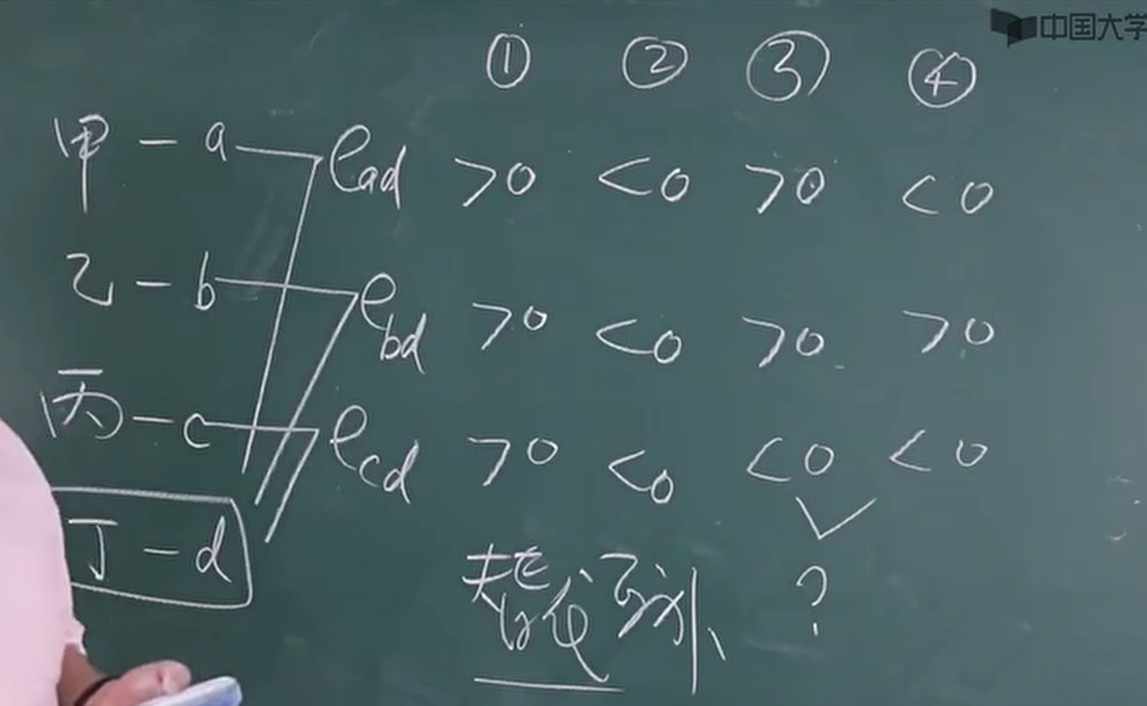
- First case: all are substitutes; do not build.
- Second case: all are complements; build.
- Third case: two substitute relationships > one complementary relationship; decide according to the situation.
- Fourth case: two complementary relationships > one substitute relationship; decide according to the situation.
- Set prices correctly
- For example, if the elasticity of a razor handle is large, set a low price; if the elasticity of razor blades is small, set a high price.
2. Supply
2.1. Elasticity of Supply
2.1.1. What It Is
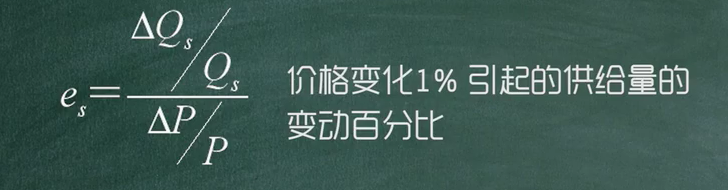
- The change in quantity supplied caused by a change in the price of a good.
2.1.2. Calculation Methods
2.1.2.1. Point Elasticity
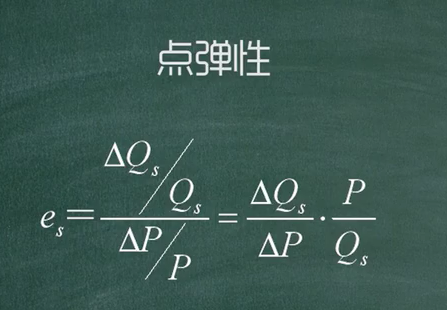
2.1.2.2. Arc Elasticity
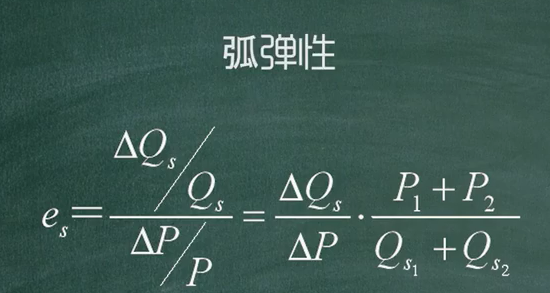
2.1.3. Types
- e = infinity: perfectly elastic
- e = 0: perfectly inelastic
- e = 1: unit elastic
- e < 1: inelastic
- e > 1: elastic

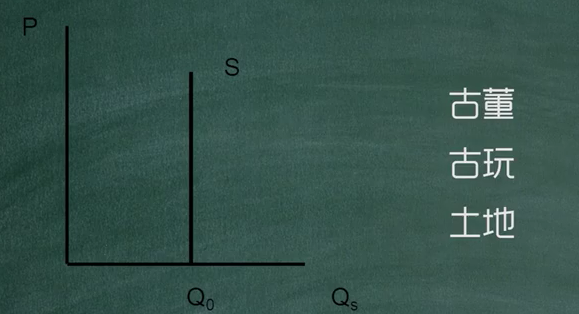
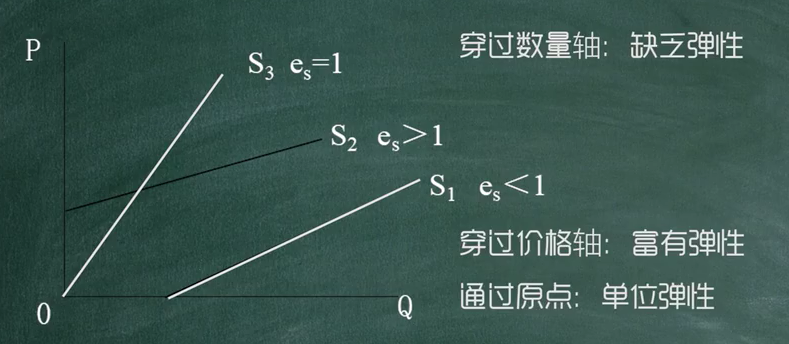
2.1.4. Factors Affecting Elasticity of Supply
- Difficulty of producing the product
- Products that are harder to produce have smaller supply elasticity.
- Magnitude of increases in production cost
- If production costs increase substantially, supply elasticity is small.
- Scale of production
- Large-scale production has smaller supply elasticity.
- Difficulty of derived supply
- Derived supply: the supply of intermediate products such as raw materials, machinery and equipment, semi-finished products, and fuel used to produce final products. Put simply, it means raw materials.
- The harder it is to obtain derived supply, the smaller the supply elasticity.
- Time factor
- In the immediate period, supply elasticity is small.
2.1.5. Use
- A small boat is easier to turn -> e is large.
Discussion
Sign in with GitHub to comment. Discussions are stored as GitHub Issues.View on GitHub