
NOTE
Read/Write Separation Architecture
What read/write separation is, why it is needed, where it applies, how to design it at the service and storage layers, and the materialized-view pattern.
This is a historical learning note and may contain outdated or incomplete understanding.
1. What Is Read/Write Separation
Separate read operations (R) from write operations (CUD). In essence, this is the Leader-Follower pattern in Distributed System Replication.
2. Why Read/Write Separation Is Needed
Improve read throughput.
3. Applicable Scenarios for Read/Write Separation
Read-heavy, write-light scenarios where data inconsistency is acceptable.
4. How to Design Read/Write Separation
4.1. Service-Layer Read/Write Separation
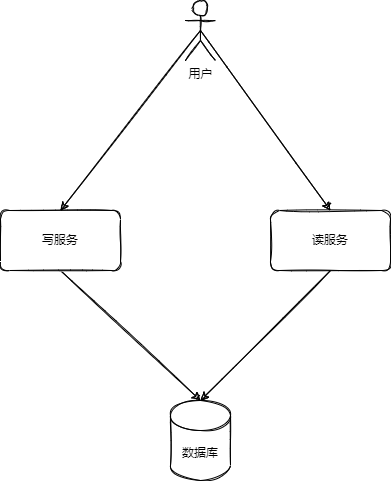
Advantage: the code is easy to maintain and there are no data consistency problems. Disadvantage: the data layer becomes the bottleneck.
4.2. Storage-Layer Read/Write Separation
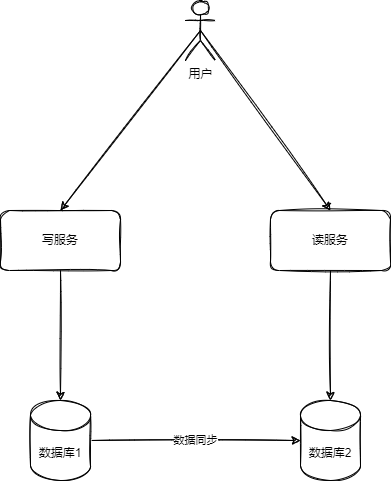
Advantage: the data layer is scalable. Disadvantage: data consistency problems.
5. Pattern
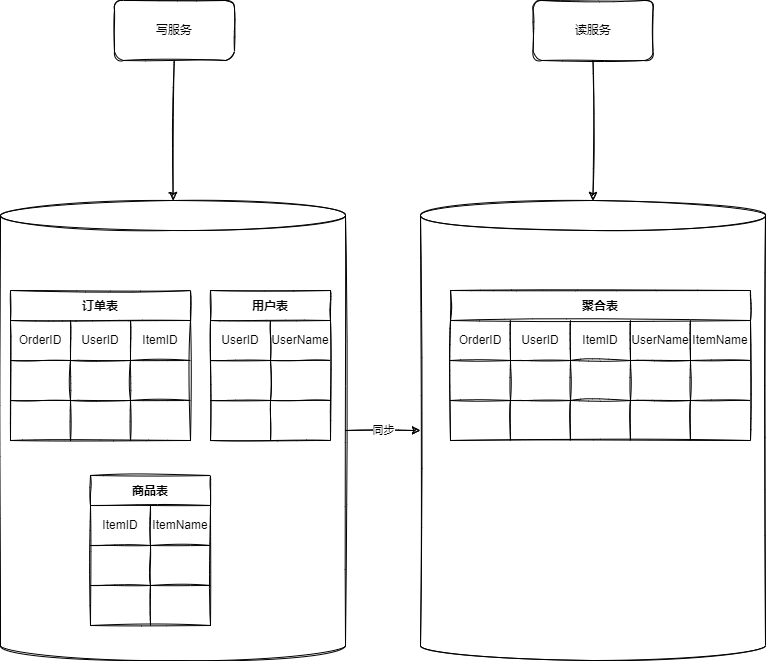
5.1. Materialized View
Discussion
Sign in with GitHub to comment. Discussions are stored as GitHub Issues.View on GitHub