
NOTE
How to Design an API Gateway
What an API gateway is, why it is needed, request forwarding and filtering, I/O models, common gateway components, BFF, and gateway aggregation.
This is a historical learning note and may contain outdated or incomplete understanding.
1. What Is an API Gateway
- Gateway = router + filter.
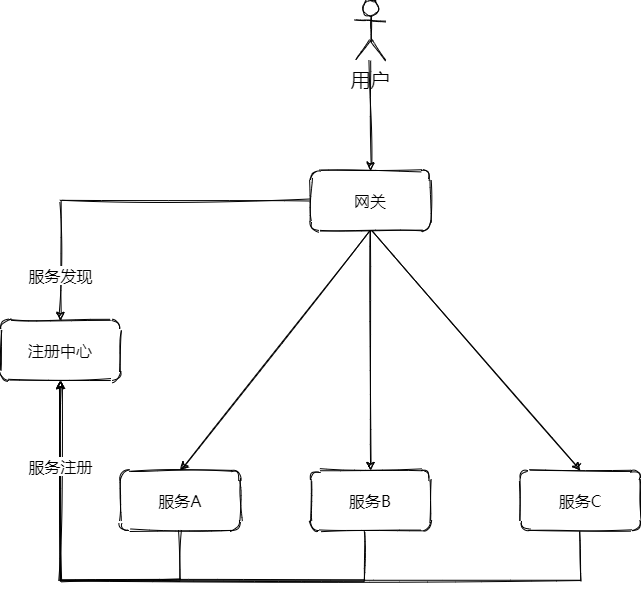
- Router: the entry point for external requests (a single entry point). Microservices are generally deployed on an internal network. All external requests first pass through the gateway, which forwards them to backend servers (service routing).
- Filter: rate limiting and circuit breaking, security authentication, log monitoring, etc.
2. Why an API Gateway Is Needed
- Extract common logic.
- Code such as authorization and authentication has to be implemented in every service. With a gateway, cross-cutting functions such as authorization and authentication can be implemented in the gateway.
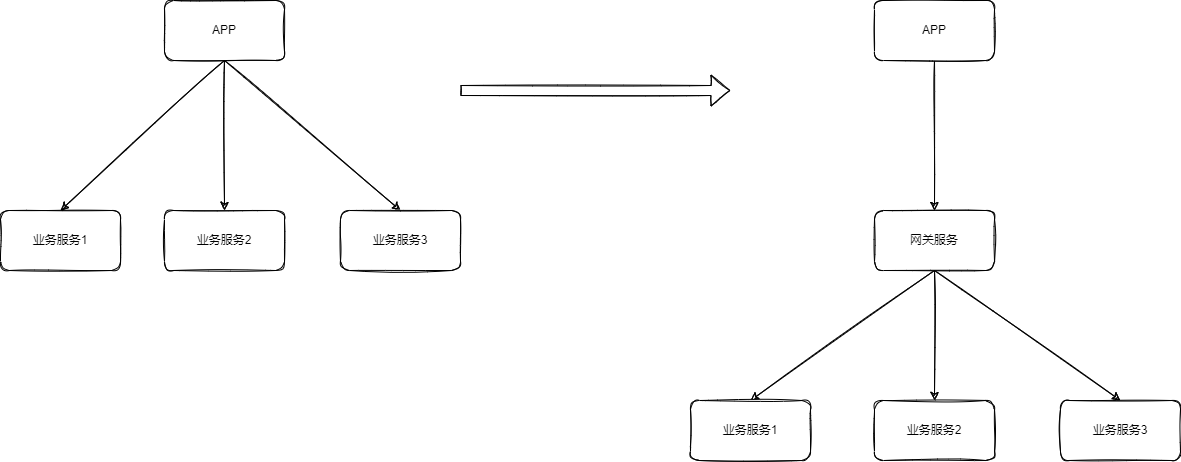
- Provide a unified entry point for different clients and avoid forming a mesh structure.
- Without a gateway, clients connect directly to every microservice.
3. How to Implement an API Gateway
3.1. How to Forward Requests
- Work together with the service registry.
3.2. How to Filter Requests
- Chain of responsibility.
3.3. I/O Model
- If backend services are CPU-intensive, synchronous blocking is sufficient.
- If backend services are I/O-intensive, use asynchronous processing or I/O multiplexing.
- I/O Models.md
4. API Gateway Components
4.1. Spring Cloud Zuul
4.2. Spring Cloud Gateway
4.3. Tyk
4.4. Kong
5. Patterns
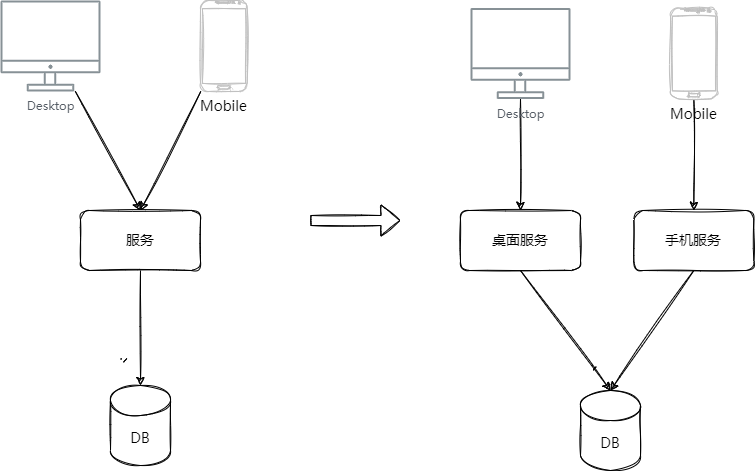
5.1. BFF
5.2. Gateway Aggregation Pattern
Discussion
Sign in with GitHub to comment. Discussions are stored as GitHub Issues.View on GitHub